
♿ Essentials
Travelling with reduced mobility
Greece is hard going: steps, cobbles, cliff-top villages and small boats. It is not impossible — choose the island and the hotel carefully, and ask specific questions.
Be honest about the terrain
The postcard places are the hardest. Oia and Fira on Santorini are built into a cliff and connected by steps; Hydra has no cars and its lanes climb steeply from the harbour; many Cycladic Choras are stepped alleys. Beaches are often reached down paths or stairs, and some only by boat.
What helps
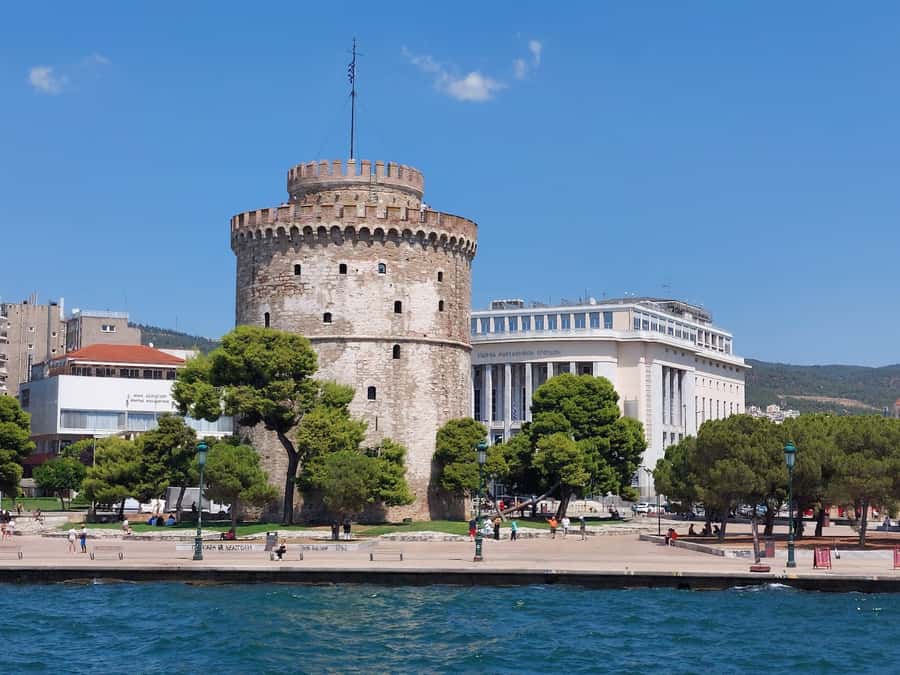
- Flatter destinations: Athens' central pedestrian streets, Thessaloniki's seafront, Rhodes and Kos towns, and the long sandy beaches of Halkidiki, Kos and Crete's north coast are easier than the Cyclades.
- The Acropolis has a lift for visitors with reduced mobility on the north side; ask at the entrance and check it is operating before you go.
- Ferries: large conventional ferries have lifts from the car deck; fast boats and small excursion boats are much harder. Tell the operator when booking.
- Beaches: some organised beaches have ramps and assisted sea-access systems — ask the municipality or hotel.
Before booking
Ask the hotel for photographs of the entrance, the route to the room and the bathroom — "accessible" is used loosely. Ask how many steps there are between the road and reception. On islands, arrange transfers in advance; taxis are few in summer.
Before you go
We may earn a commission from these. It never changes your price.