
⛴️ Ferries
Greek ferries: routes, ports, prices and how to book
Almost every Greek island trip is really a ferry trip. Here is how the system works — who sails where, which Athens port to use, what a fast boat buys you and what it costs — with typical crossing times and fares checked in September 2026. Timetables change every season, so treat the numbers as a planning guide and confirm your sailing with the operator.
Before you go
We may earn a commission from these. It never changes your price.
Routes, times and fares
Typical crossing times and the lowest adult fares seen on ferry comparison sites for 2026 (checked September 2026). Fast boats sit at the short end of each range and cost more. Not a timetable — always check the operator for your date.
25 / 25 routes shown
| Route | Typical time | Adult from | Main operators | Guide |
|---|---|---|---|---|
 Piraeus Santorini (Athinios) Piraeus Santorini (Athinios) | 5h (high-speed) – 11h+ | ~€46 | Blue Star, Seajets, Fast Ferries | Santorini |
 Piraeus / Rafina Mykonos Piraeus / Rafina Mykonos | 2h40 – 5h50 | ~€43 | Blue Star, Seajets, Fast Ferries, Golden Star (Rafina) | Mykonos |
 Piraeus Naxos Piraeus Naxos | 3h15 – 7h | ~€42 | Blue Star, Seajets | Naxos |
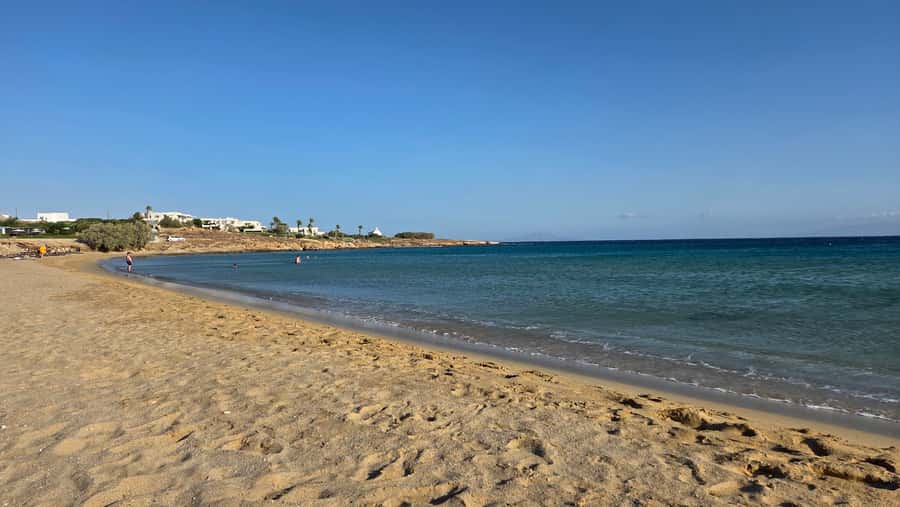 Piraeus Paros (Parikia) Piraeus Paros (Parikia) | 2h40 – 5h35 | ~€40 | Blue Star, Seajets | Paros |
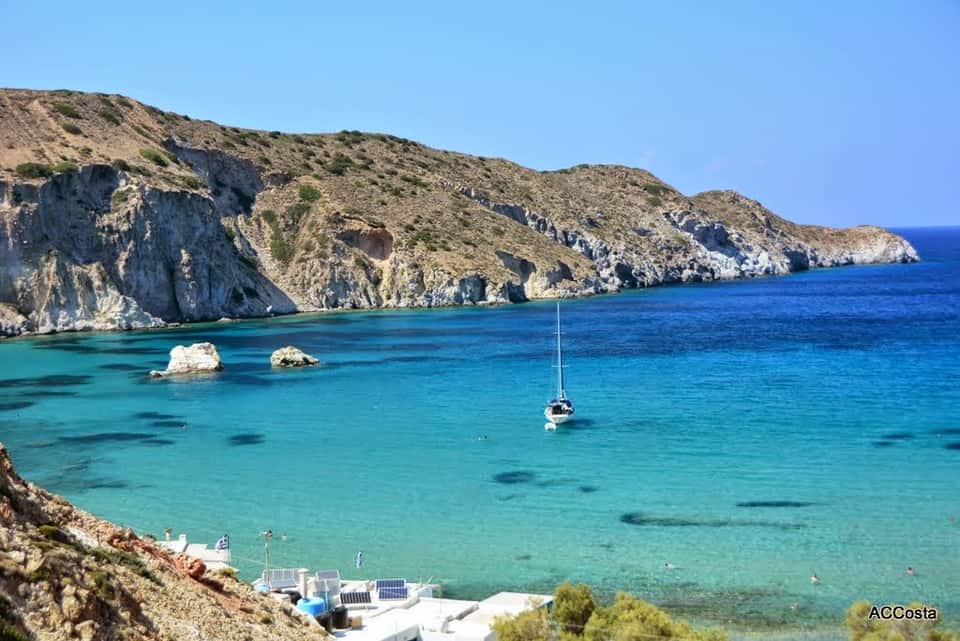 Piraeus Milos (Adamas) Piraeus Milos (Adamas) | 2h30 – 7h30 | ~€33 | Fast Ferries, Seajets | Milos |
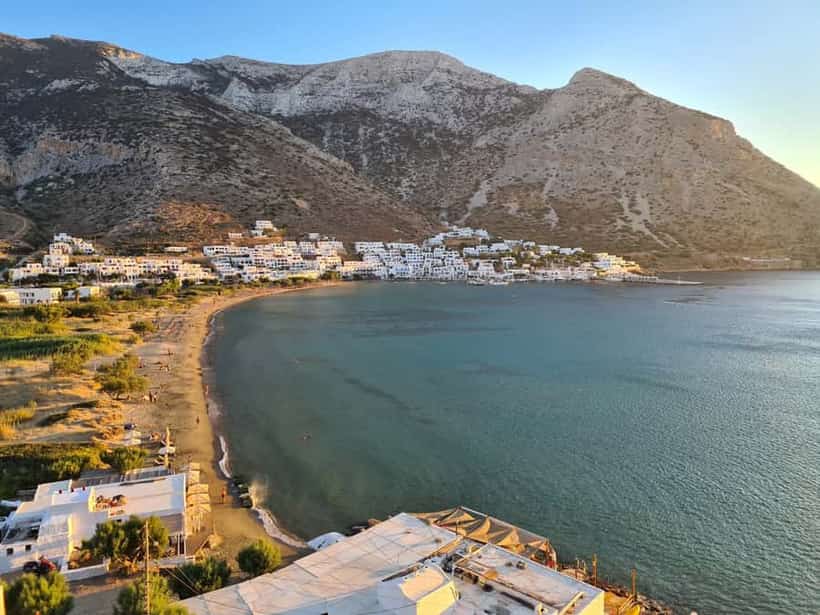 Piraeus Sifnos (Kamares) Piraeus Sifnos (Kamares) | 2h30 – 5h | ~€40 | Fast Ferries, Seajets | Sifnos |
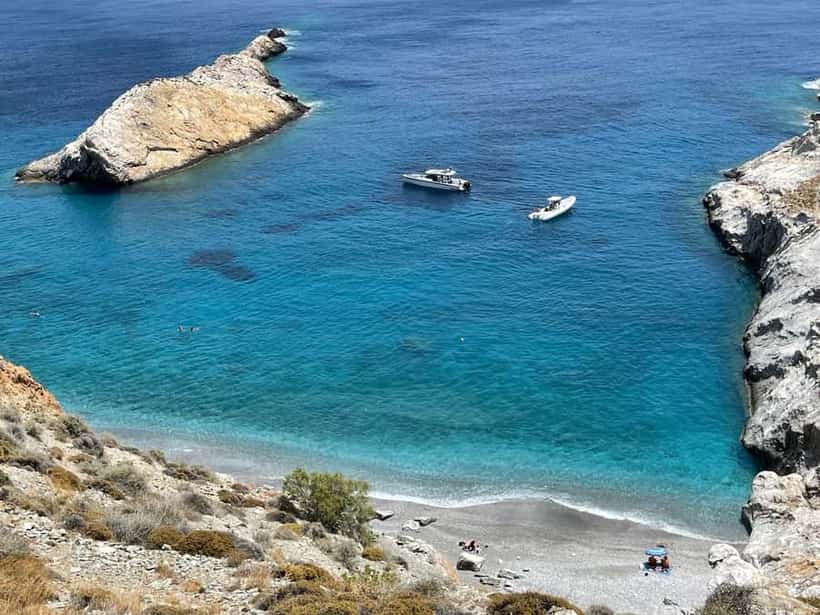 Piraeus Folegandros (Karavostasis) Piraeus Folegandros (Karavostasis) | 3h45 – 9h40 | ~€36 | Fast Ferries, Seajets | Folegandros |
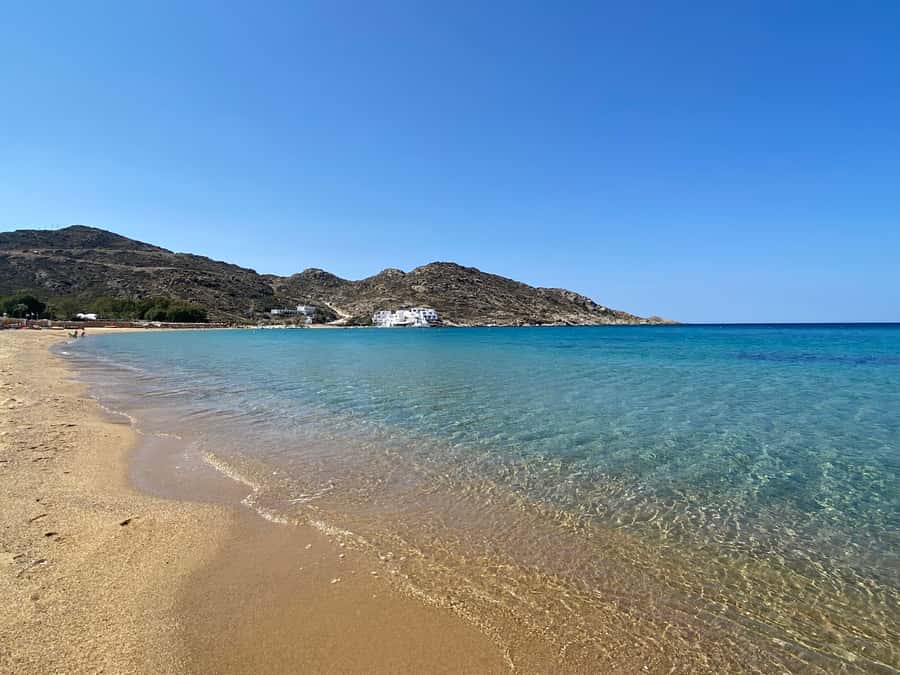 Piraeus Ios (Ormos) Piraeus Ios (Ormos) | 4h15 – 10h | ~€39 | Blue Star, Seajets | Ios |
| Naxos Paros | 25 – 50 min | — | Blue Star, Seajets | NaxosParos |
| Naxos Santorini | 1h05 – 2h45 | — | Blue Star, Seajets | NaxosSantorini |
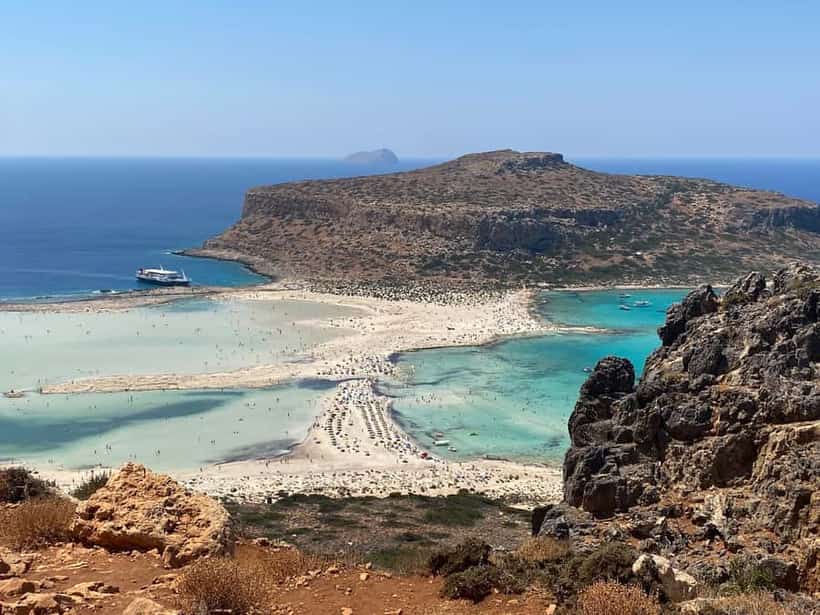 Piraeus Heraklion Piraeus Heraklion | 7h50 (fast) – ~9h overnight | ~€28–44 deck | Minoan Lines, Seajets | Crete |
| Piraeus Chania (Souda) | 7h – 9h30 | ~€37 | ANEK (Attica Group) | Crete |
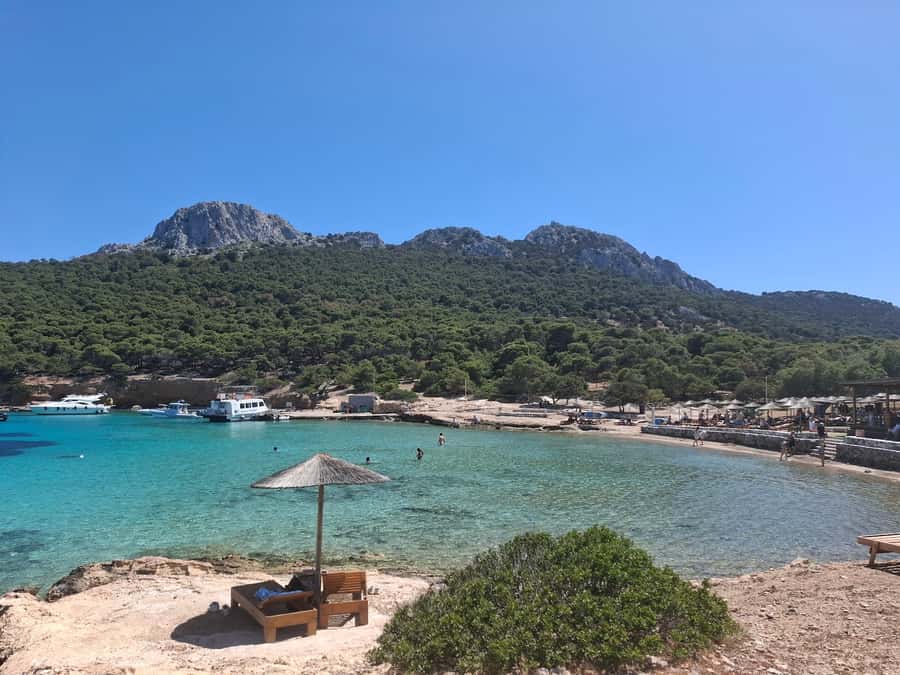 Piraeus Aegina Piraeus Aegina | 40 min (fast) – 1h25 | ~€9 | Aegean Flying Dolphins and others | Aegina |
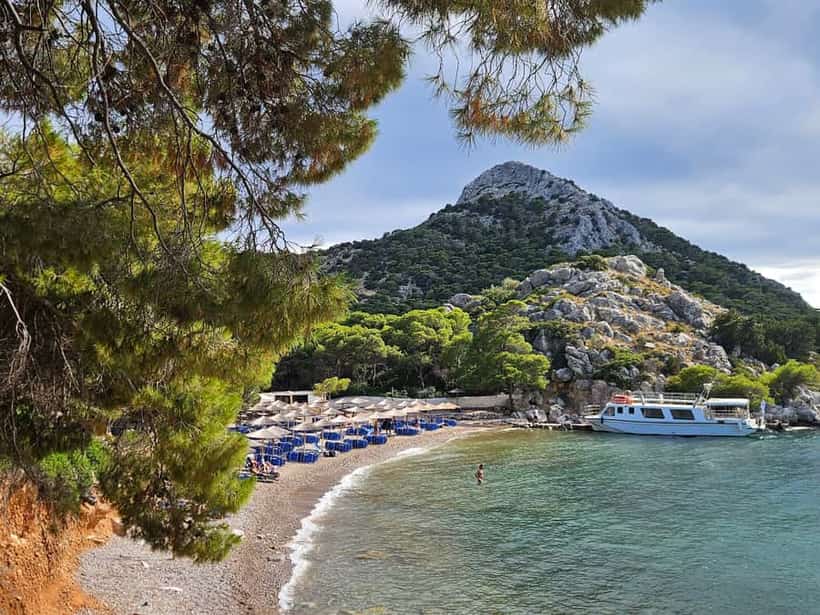 Piraeus Hydra Piraeus Hydra | 1h05 – 2h | ~€28 | Aegean Flying Dolphins and others | Hydra |
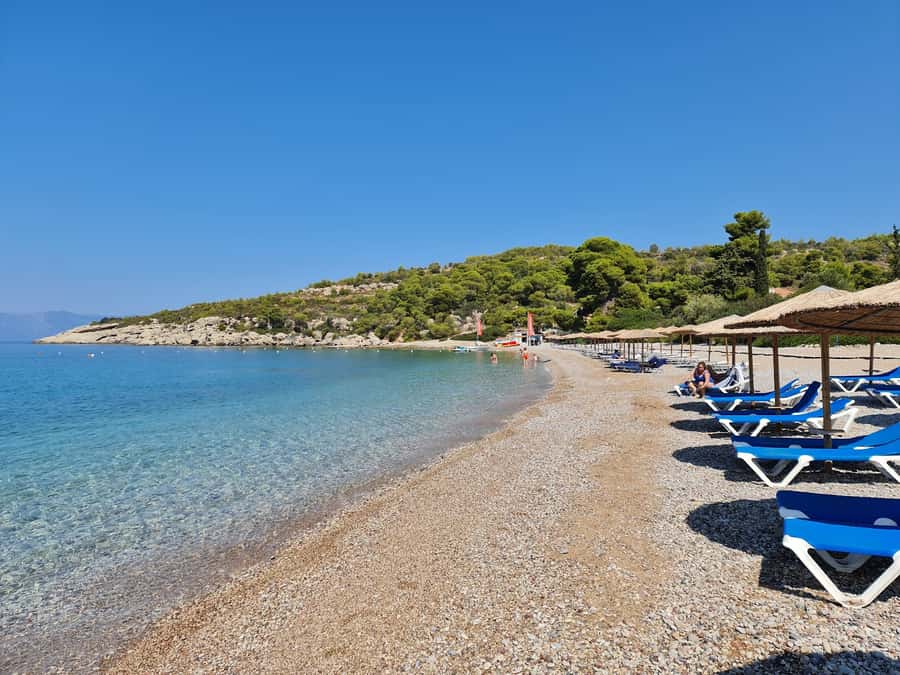 Piraeus Spetses (Dapia) Piraeus Spetses (Dapia) | 1h30 – 4h | ~€38 | Aegean Flying Dolphins and others | Spetses |
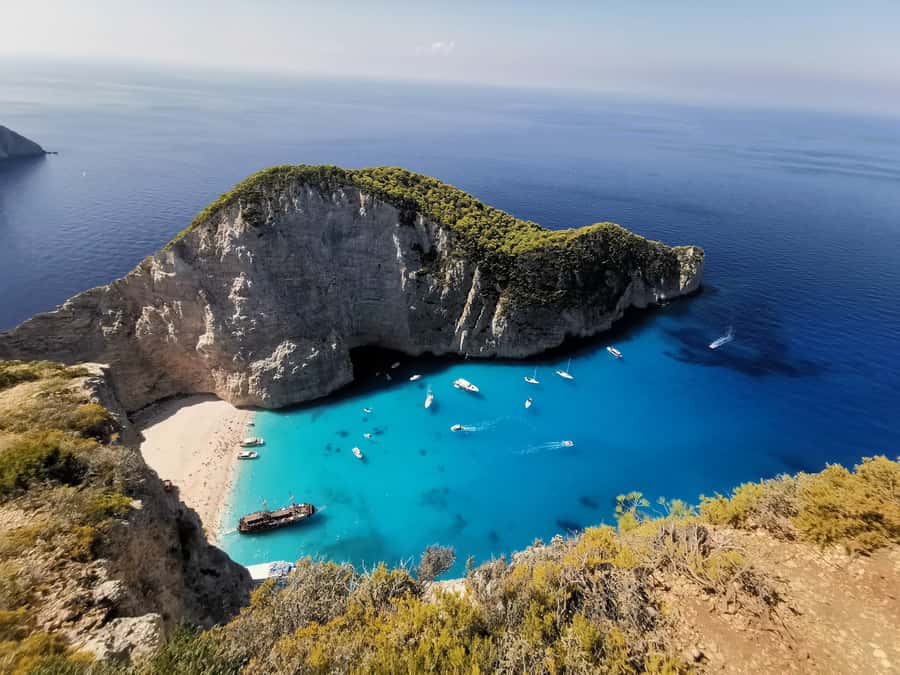 Kyllini Zakynthos Kyllini Zakynthos | ~1h15 | car from ~€38 | Levante Ferries | Zakynthos |
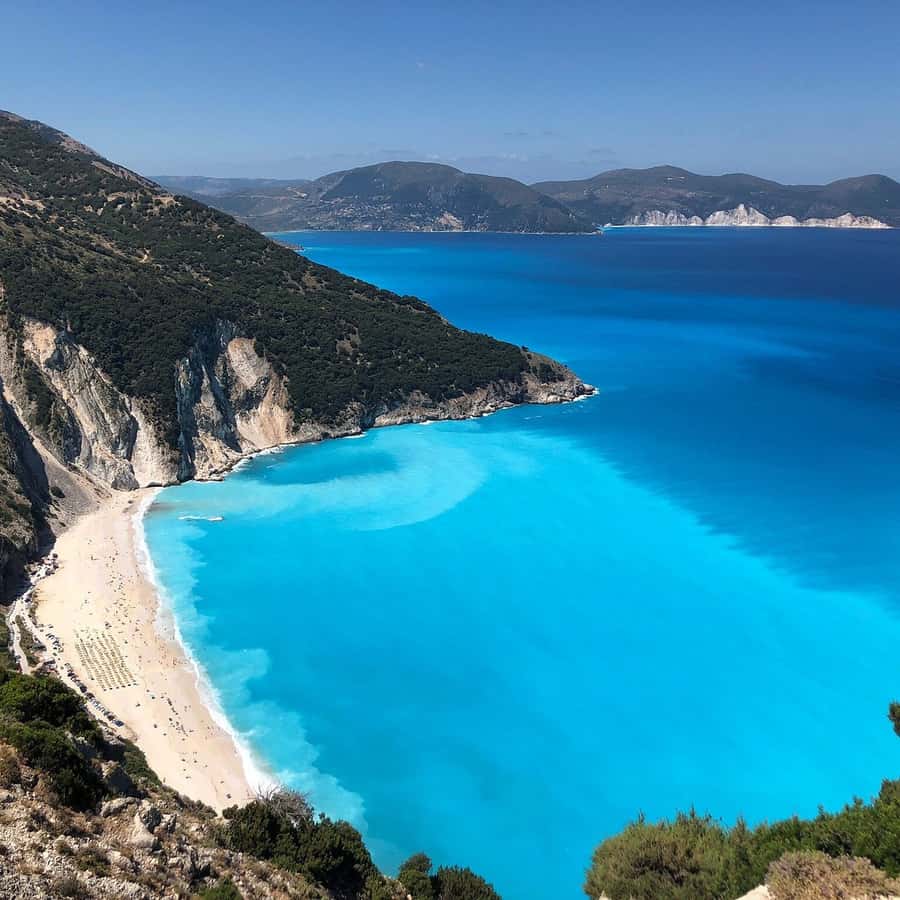 Kyllini Kefalonia (Poros) Kyllini Kefalonia (Poros) | ~1h30 | — | Levante Ferries | Kefalonia |
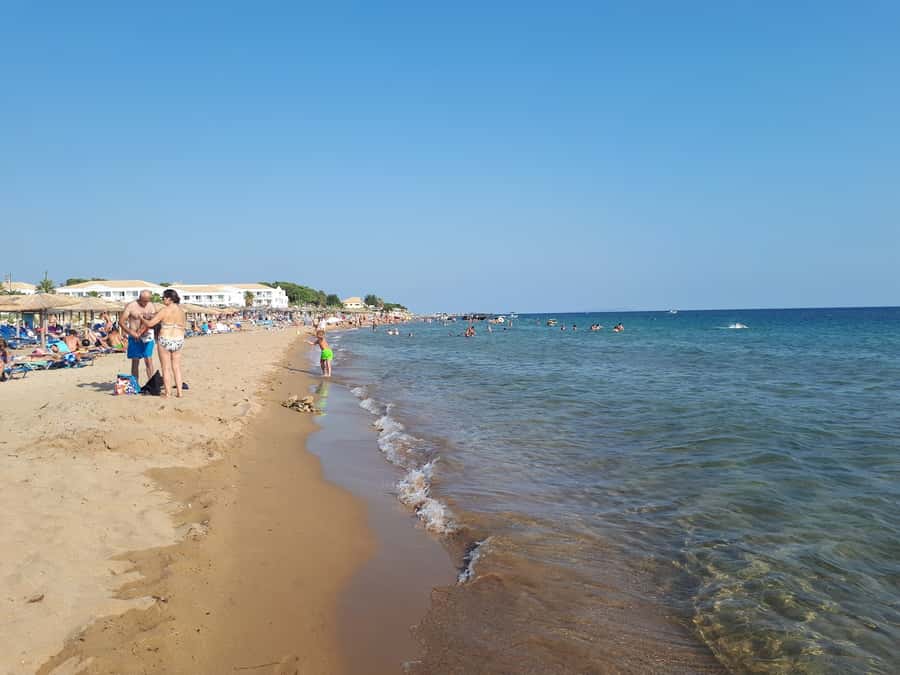 Igoumenitsa Corfu Igoumenitsa Corfu | 1h10 – 1h30 | from ~€6; car ~€24 | Kerkyra Lines / Kerkyra Seaways | Corfu |
| Corfu Paxos (Gaios) | 45 min – 1h20 | from ~€15 | Kerkyra Lines and others | CorfuPaxos |
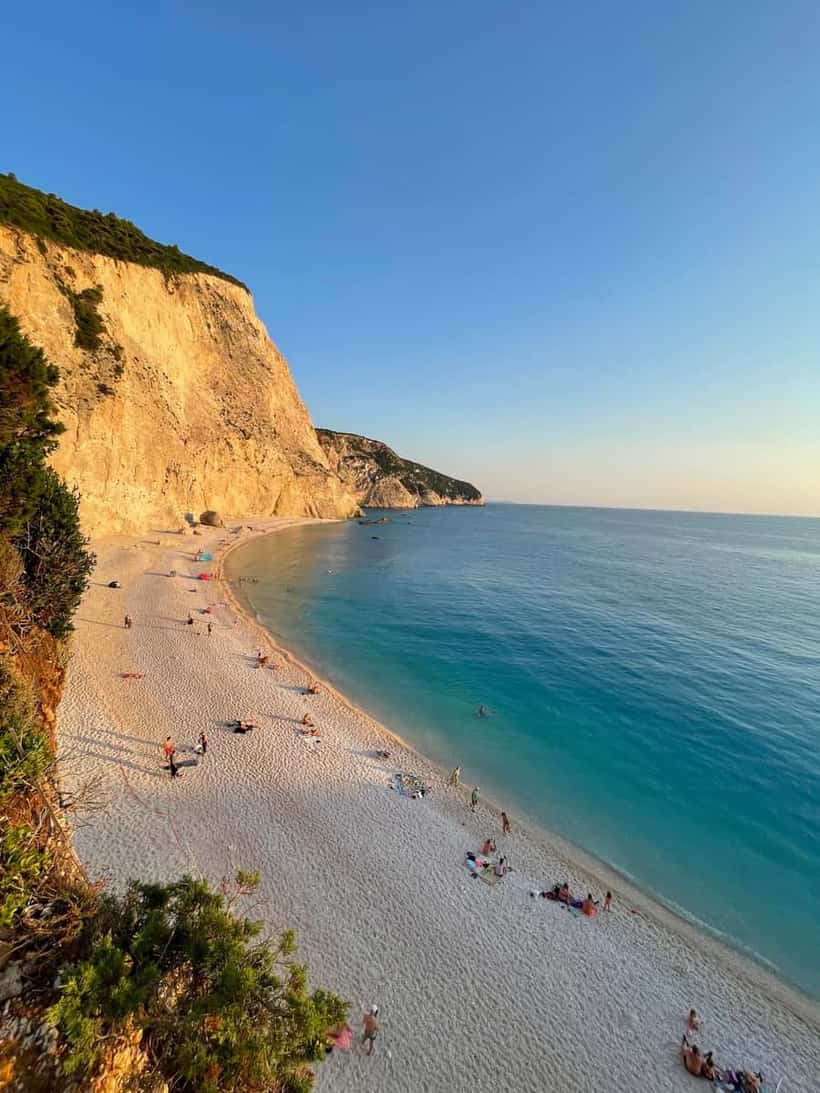 Vasiliki (Lefkada) Fiskardo (Kefalonia) Vasiliki (Lefkada) Fiskardo (Kefalonia) | ~1h (April–October) | — | West Ferry | LefkadaKefalonia |
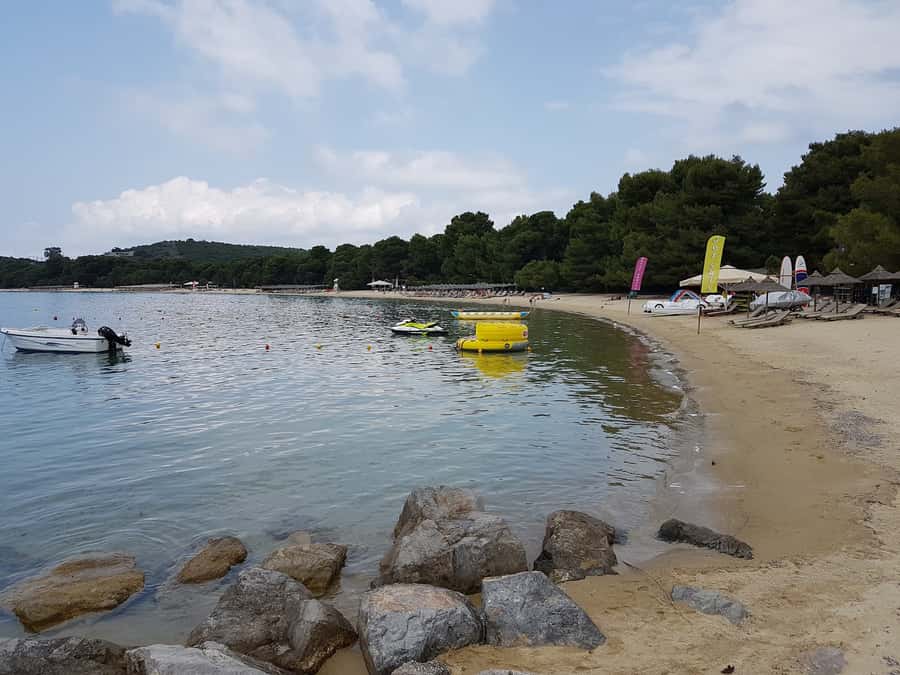 Volos Skiathos Volos Skiathos | 1h15 – 2h45 | ~€27 | Aegean Flying Dolphins and others | Skiathos |
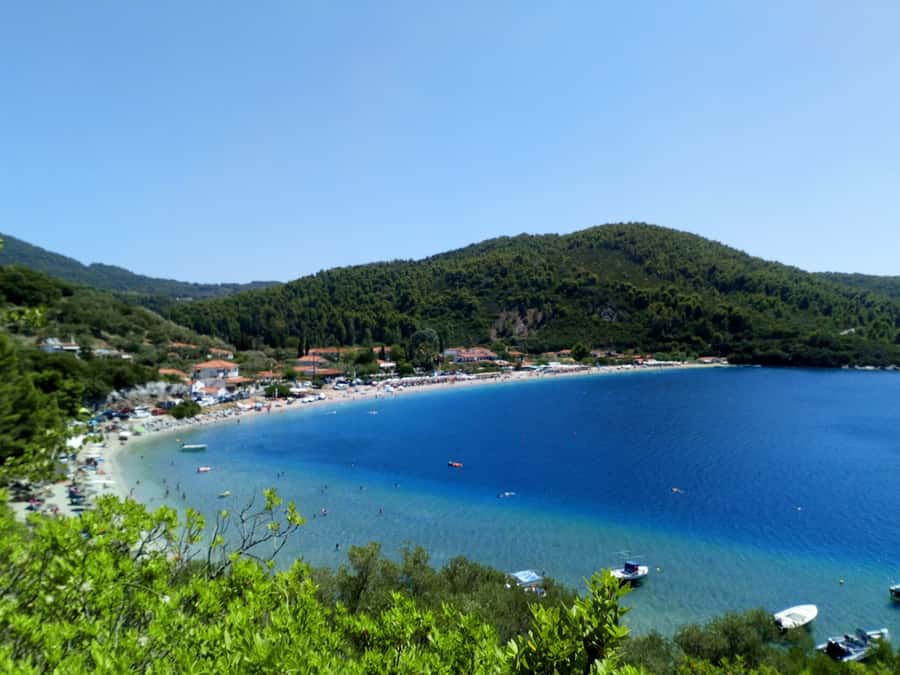 Volos Skopelos Volos Skopelos | ~2h – 3h30 | ~€45 | Aegean Flying Dolphins and others | Skopelos |
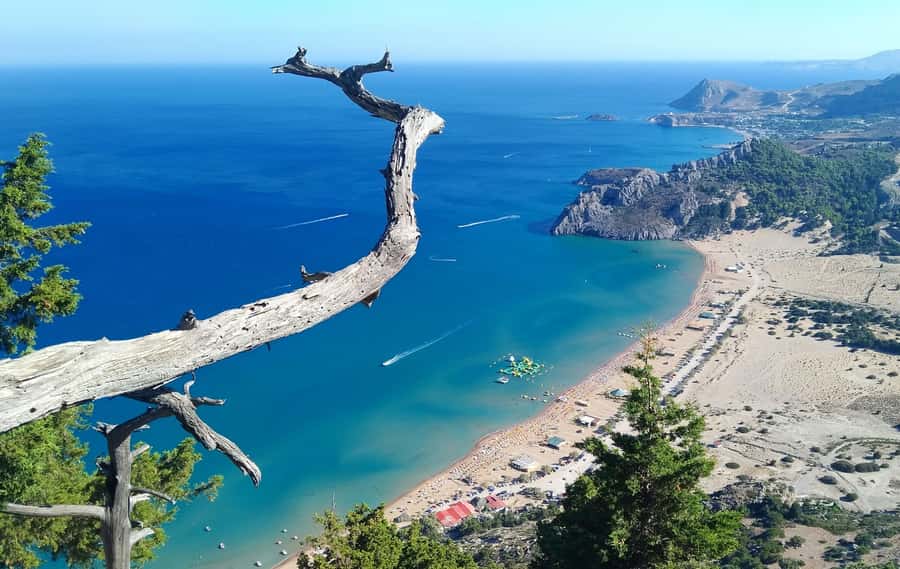 Rhodes Symi Rhodes Symi | 45 min – 1h30 | from ~€6 | Dodekanisos Seaways and others | RhodesSymi |
 Keramoti Thassos (Limenas) Keramoti Thassos (Limenas) | 35 – 40 min | €6 adult · car €22 (≤4.25 m) | ANETH | Thassos |
| Kavala Thassos (Prinos) | check the operator | €6.50–7 adult · car €22 | ANETH | Thassos |
Contents · 4
How Greek ferries work
There is no national ferry company. Routes are run by private operators, often several on the same line, each with its own timetable and fares — which is why comparison sites exist and why the ticket office at the port rarely knows about the rival across the quay.
The big names. Attica Group owns Blue Star Ferries, Hellenic Seaways and ANEK, the backbone of conventional sailings from Piraeus to the Cyclades, the Dodecanese and Crete. Seajets runs most of the high-speed catamarans in the Cyclades and to Crete. Minoan Lines sails overnight between Piraeus and Heraklion. Fast Ferries and Golden Star work out of Rafina. In the west, Levante crosses from Kyllini to Zakynthos and Kefalonia and Kerkyra Lines from Igoumenitsa to Corfu; ANETH shuttles to Thassos; Dodekanisos Seaways links Rhodes, Symi and Kos; Aegean Flying Dolphins serves the Sporades and the Saronic islands.
Conventional or high-speed. A conventional ferry is a big ship with decks, cafés, cabins on the long lines and a car garage. It is slower, cheaper and far steadier in wind. High-speed catamarans cut hours off a crossing — Piraeus to Santorini can take about 5 hours instead of 11 or more — but cost more, keep you in an assigned indoor seat, and are the first boats cancelled when the wind rises. If you are prone to seasickness, choose the big ship.
Seats and cabins. "Deck" (economy) gets you aboard with any free seat in the lounges; an allocated seat or an airline-style seat costs a little more; cabins matter only on overnight routes such as Piraeus–Heraklion. Cars travel on most conventional ferries and many large catamarans; car spaces are limited and sell out long before passenger places in July and August.
The three Athens ports
Piraeus is the big one: ships to every island group except the Ionian and the Sporades leave from here. It is also a sprawling port with numbered gates along a long waterfront — typically E1 for the Dodecanese, E2/E3 for Crete, E6/E7 for the Cyclades and E8/E9 for the Saronic islands, but gates change, so check the gate printed on your ticket and allow time to walk between them. From the airport the X96 express bus runs 24/7 to Piraeus in about 90 minutes for €5.50; from central Athens the metro is the easy option.
Rafina, on the east coast, is much closer to the airport — about 30 minutes by KTEL bus — and is the smart choice for the northern and central Cyclades: Andros, Tinos, Mykonos and, in summer, Naxos and Paros. Fast Ferries and Golden Star sail from here.
Lavrio, further south, serves Kea, Kythnos and some Cyclades and North Aegean lines. Useful mainly if your island is on its short list. Full detail, with island ports too, is on our ports guide.
Booking, e-tickets and boarding
Book online with the operator or through a comparison site; either way you get an e-ticket. On most lines that is all you need, but check whether your operator wants you to check in online — Blue Star opens web check-in from 48 hours to 2 hours before departure. Carry the e-ticket on your phone and the ID card or passport of every passenger; the name on the ticket must match.
Arrive early. As a rule of thumb, be at the port 30–60 minutes before departure on foot and at least an hour with a car, which is loaded first and by the crew's order. Ships in high season do not wait, and a late car is simply left on the quay.
When to book. Outside July and August, a few days ahead is usually fine for foot passengers. For cars, cabins and any sailing around 15 August (the Dormition, the peak of Greek domestic travel) and Orthodox Easter (2 May in 2027), book weeks ahead — those sailings sell out. For small, less-served islands such as Folegandros, book the only convenient boat as soon as your dates are fixed.
Wind, cancellations and the buffer day
The meltemi is the strong, dry north wind of the Aegean summer. It typically blows from mid-May to mid-September, peaks in July and August, is strongest in the afternoon and hits the Cyclades hardest. The Ionian islands are largely sheltered from it.
When winds reach around Beaufort 8, the coast guard can ban sailings; high-speed craft are stopped earlier, at lower wind speeds. Bans are announced at short notice — there was one as recently as 31 July 2026 — and the operator moves you to the next available sailing or refunds you.
The practical answer is simple: never schedule a ferry for the day of your flight home. Get back to Athens, or to an island with an airport, at least one day before an international flight. On a multi-island trip in July or August, prefer conventional ships on exposed crossings and keep one flexible day in the plan.
Check the official operator sites
The operator's own site is the final word on timetables, fares, changes and cancellations.
- Blue Star Ferries ↗
Attica Group's conventional ferries: Cyclades, Dodecanese, Crete and more from Piraeus.
- Seajets ↗
High-speed catamarans across the Cyclades and to Crete — fast, pricier, most affected by wind.
- Minoan Lines ↗
Overnight Piraeus–Heraklion with cabins.
- Fast Ferries ↗
Rafina–Andros–Tinos–Mykonos, and Piraeus to the western Cyclades and Santorini.
- Golden Star Ferries ↗
From Rafina to the northern and central Cyclades.
- Levante Ferries ↗
Kyllini to Zakynthos and to Poros on Kefalonia.
- ANETH Ferries ↗
Thassos: Keramoti–Limenas and Kavala–Prinos. Tickets at the port.
Ferry questions, answered
Should I book Greek ferries in advance?
For foot passengers outside July and August, a few days ahead is usually enough. Book weeks ahead for cars, cabins, sailings around 15 August and Orthodox Easter, and for small islands with only one or two convenient boats a day.
Which Athens port should I use: Piraeus, Rafina or Lavrio?
Piraeus has the most sailings to the Cyclades, Crete, the Dodecanese and the Saronic islands. Rafina is closer to the airport (about 30 minutes by KTEL bus) and good for Mykonos, Tinos, Andros and, in summer, Naxos and Paros. Lavrio mainly serves Kea and Kythnos.
How do I get from Athens airport to Piraeus?
The X96 express bus runs 24 hours a day from the airport to Piraeus in about 90 minutes and costs €5.50 (checked September 2026). A taxi is faster outside rush hour but far more expensive.
Are high-speed ferries worth the extra cost?
On long routes such as Piraeus–Santorini they can save around half the journey. But they cost more, keep you indoors in an assigned seat, and are cancelled first in strong wind. In July and August on exposed Cyclades crossings, or if you get seasick, a conventional ship is the calmer choice.
What happens if my ferry is cancelled because of wind?
Sailing bans are issued when winds reach around Beaufort 8, earlier for high-speed boats. The operator normally rebooks you on the next available sailing or refunds the ticket. That is why you should never plan a ferry on the same day as your flight home.
Do I need to print my ferry ticket?
Usually not: most operators accept the e-ticket on your phone, sometimes after online check-in (Blue Star opens it 48 to 2 hours before departure). Carry an ID card or passport for every passenger. Small local lines such as the Thassos ferries sell tickets at the port.
Can I take my car on a Greek ferry?
Yes, on most conventional ferries and many large catamarans. Car spaces are limited, so book early in summer and arrive at least an hour before departure. Short crossings such as Keramoti–Thassos (car €22 up to 4.25 m) and Igoumenitsa–Corfu (around €24) are the easiest.
Is there a ferry from Sivota to Paxos?
There is no scheduled ferry from Sivota to Paxos — only excursion boats. The scheduled links to Paxos are from Corfu (45 minutes to 1h20) and Igoumenitsa (about 1h35).