
 4.5out of 5 on Google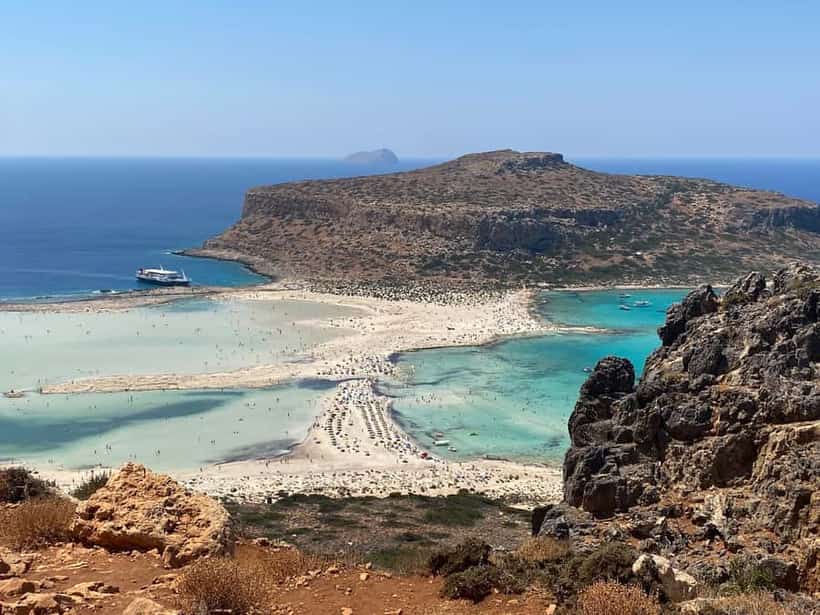
🏖️ Sand, pebbles, coves and lagoons
The best beaches in Greece, island by island
Organised beaches with sunbeds, wild coves at the end of a dirt road, lagoons, volcanic shores and town beaches — the beaches of the Greek islands and mainland, with the sand, the facilities and how you actually get there.
★ 4.5+ · Google
Top-rated across Greece
4.5 stars or better on Google, ranked by how many people have reviewed them.
🏖️ 459 · Beaches
Everything we list
459 places
4.5out of 5 on Google4.7out of 5 on Google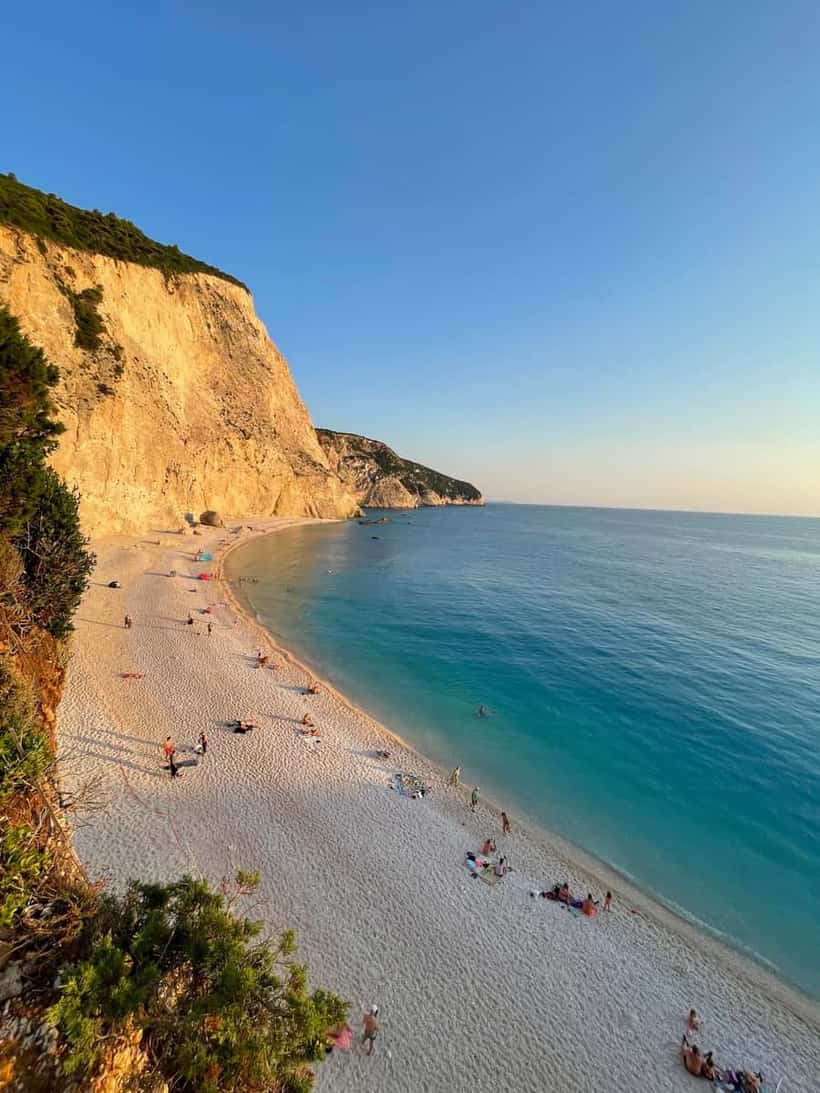 4.7out of 5 on Google
 4.6out of 5 on Google
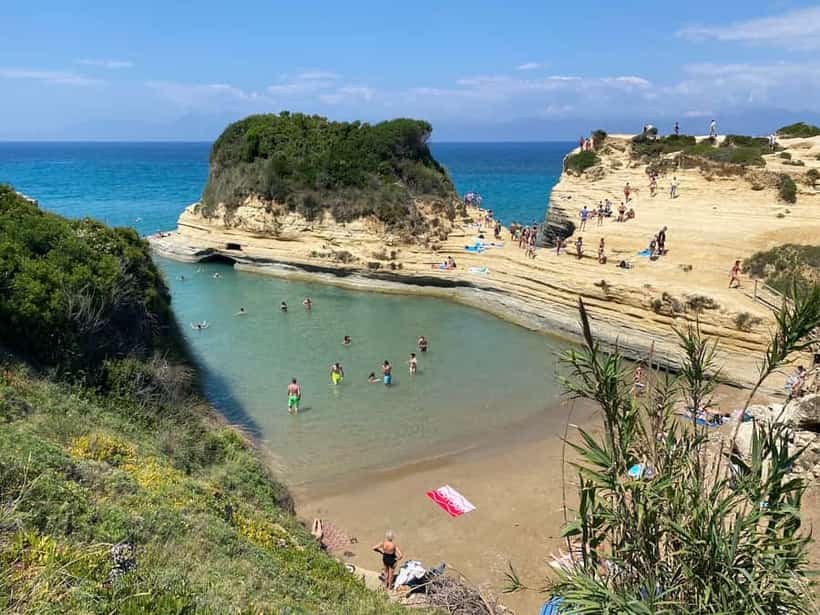 4.3out of 5 on Google
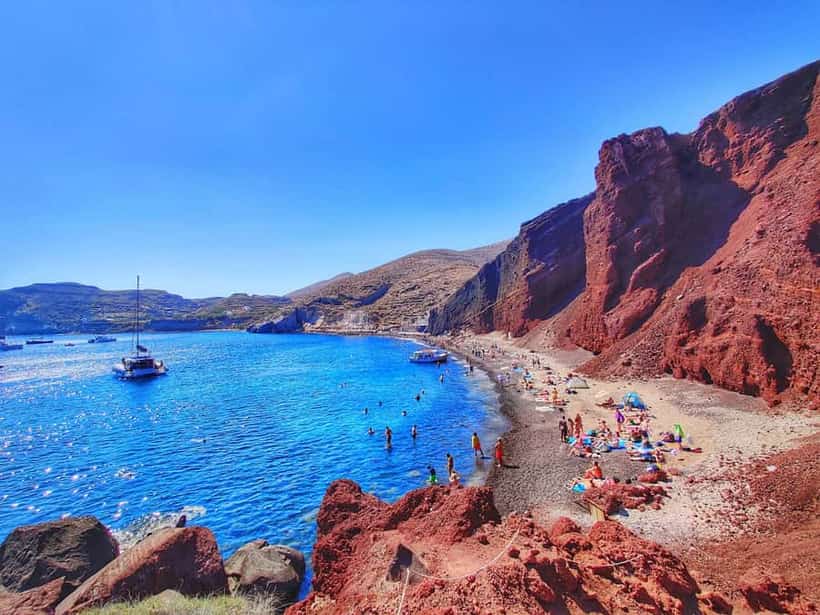 4.1out of 5 on Google
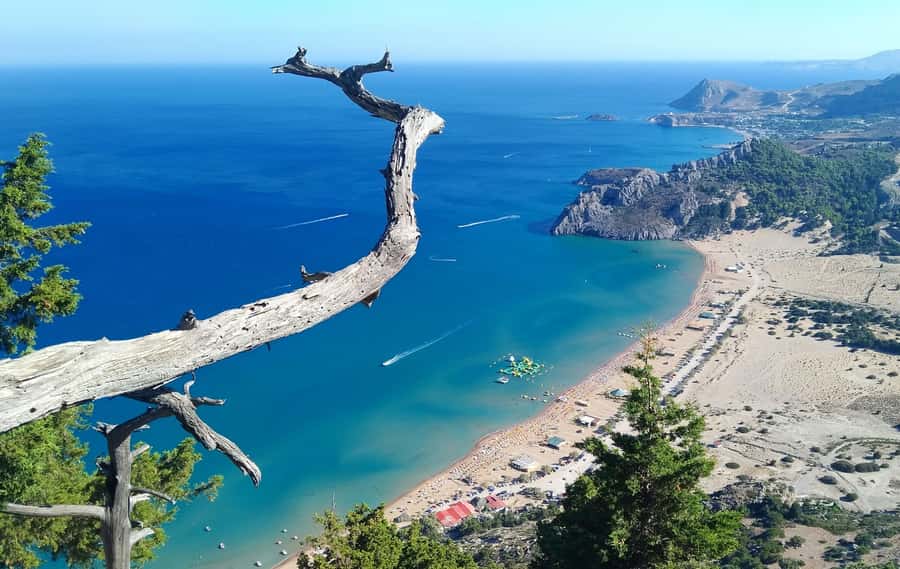 4.6out of 5 on Google
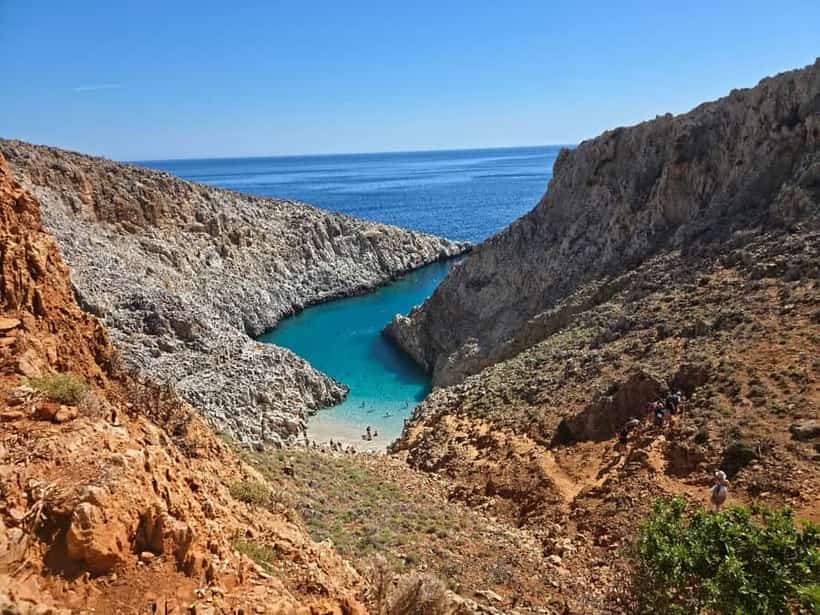 4.7out of 5 on Google
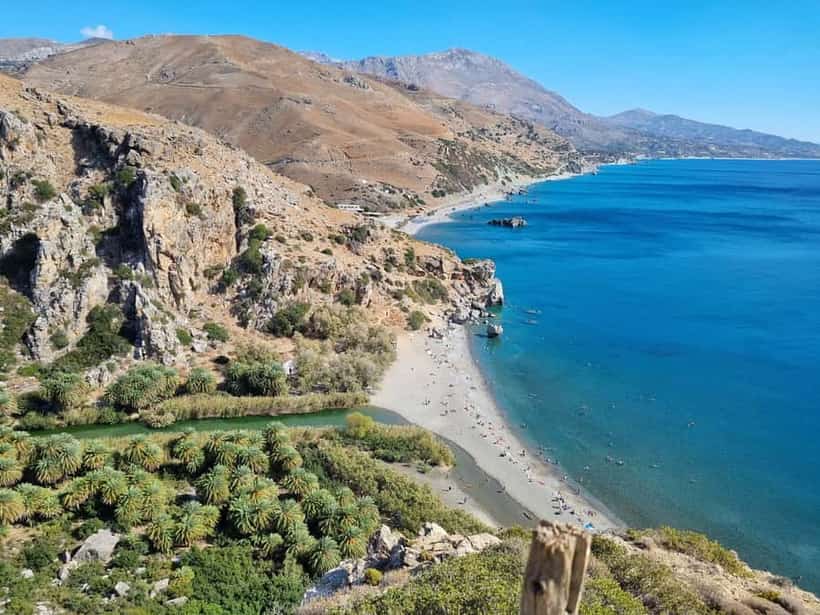 4.5out of 5 on Google
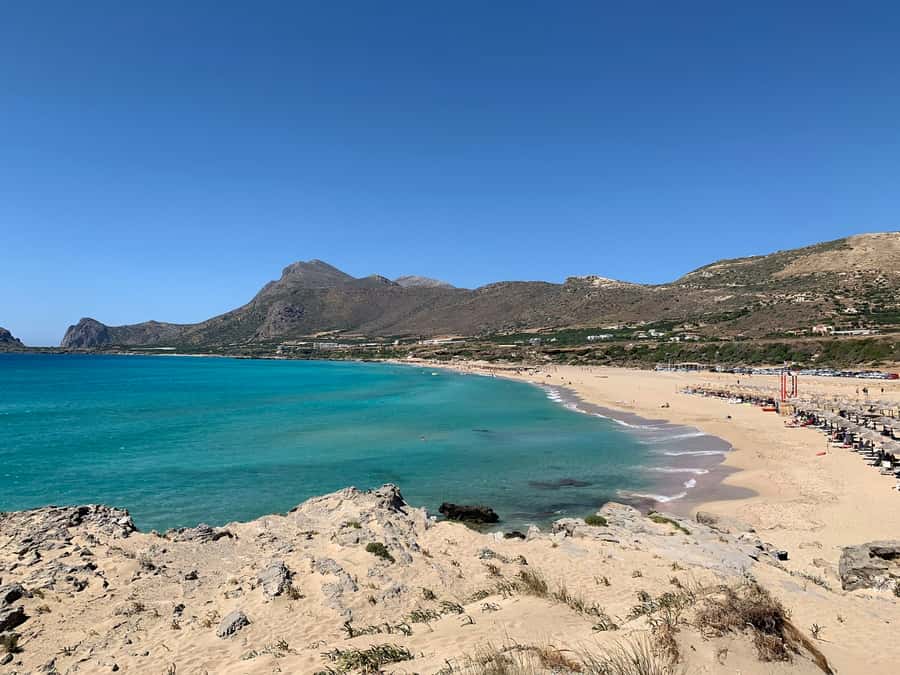 4.7out of 5 on Google
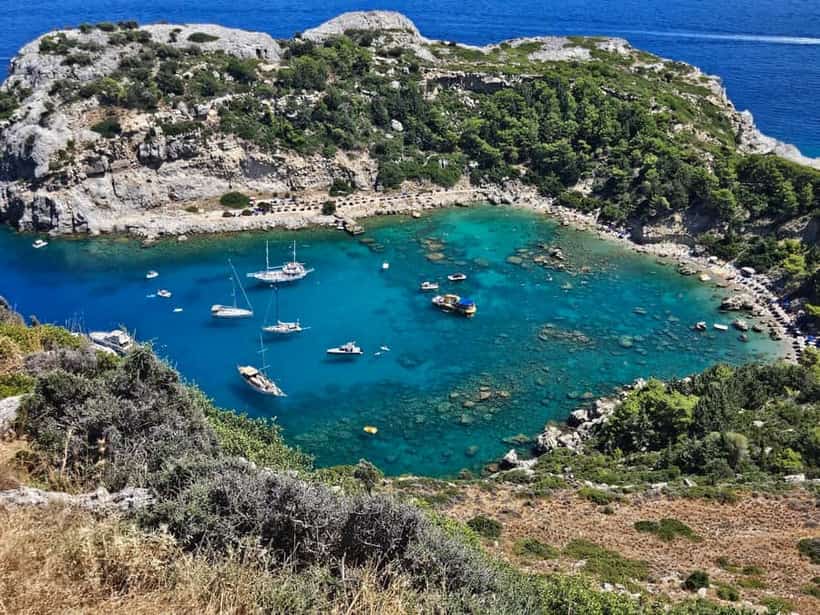 4.6out of 5 on Google
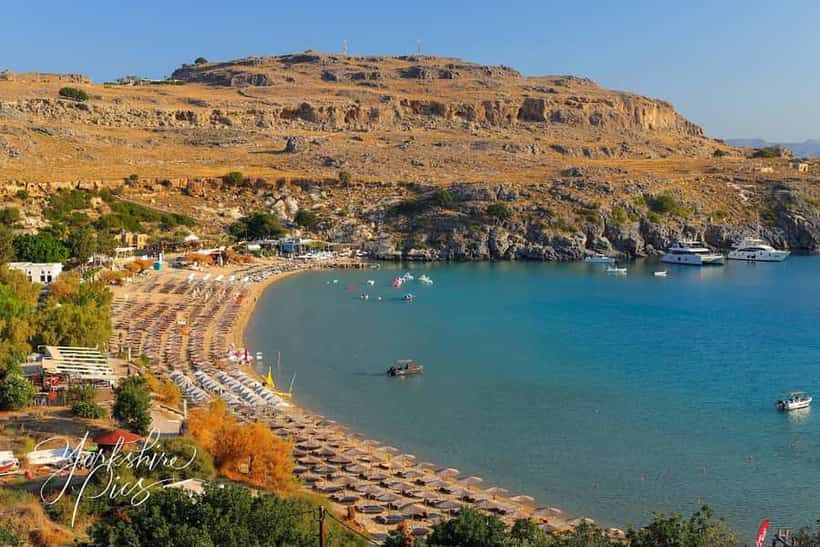 4.5out of 5 on Google
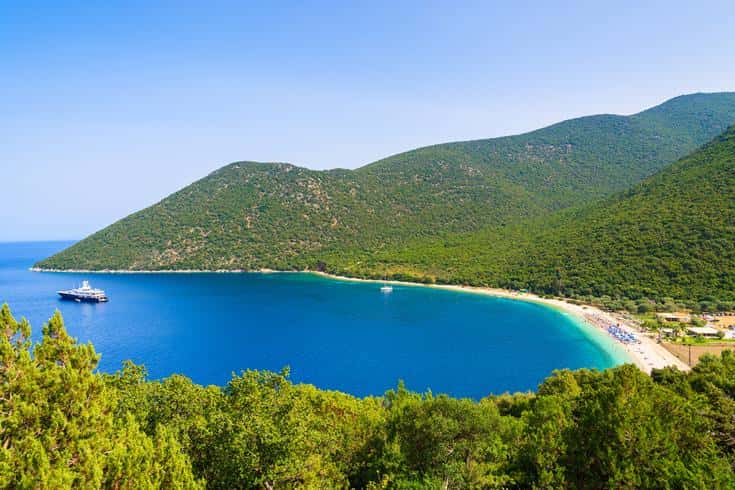 Blue Flag4.5out of 5 on Google
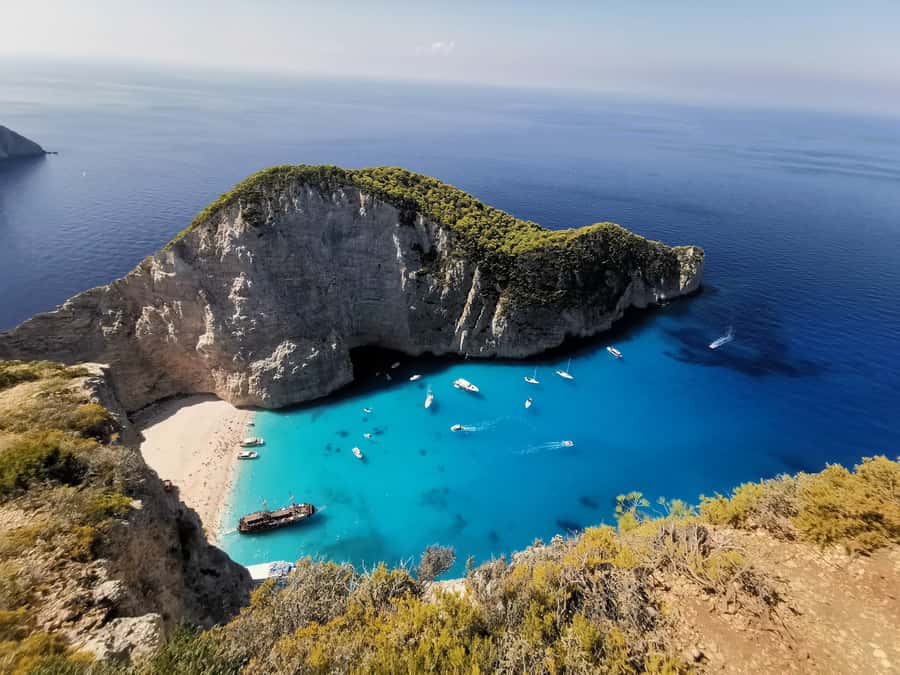 4.7out of 5 on Google
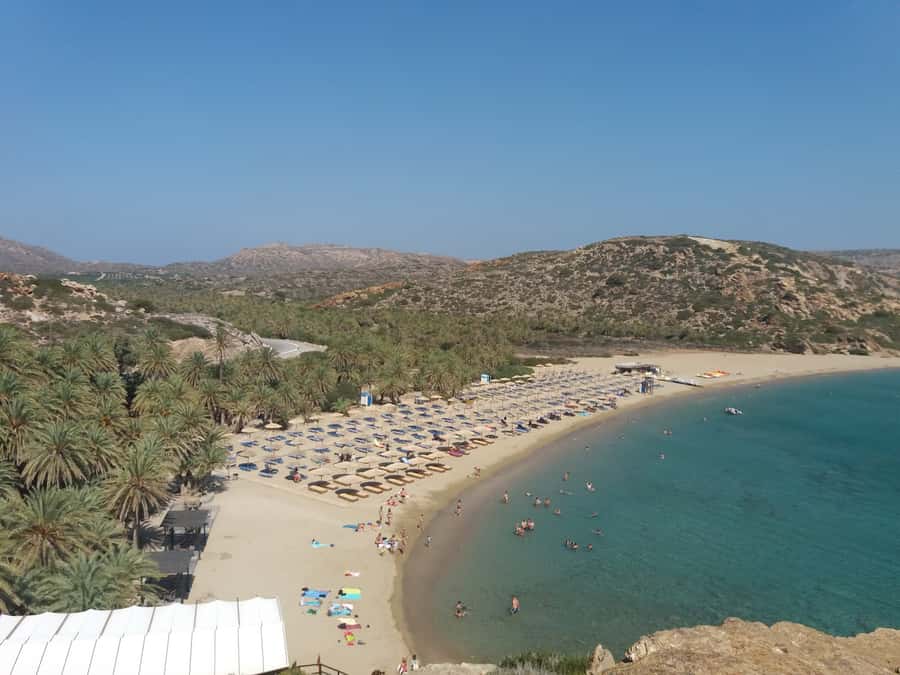 Blue Flag4.5out of 5 on Google
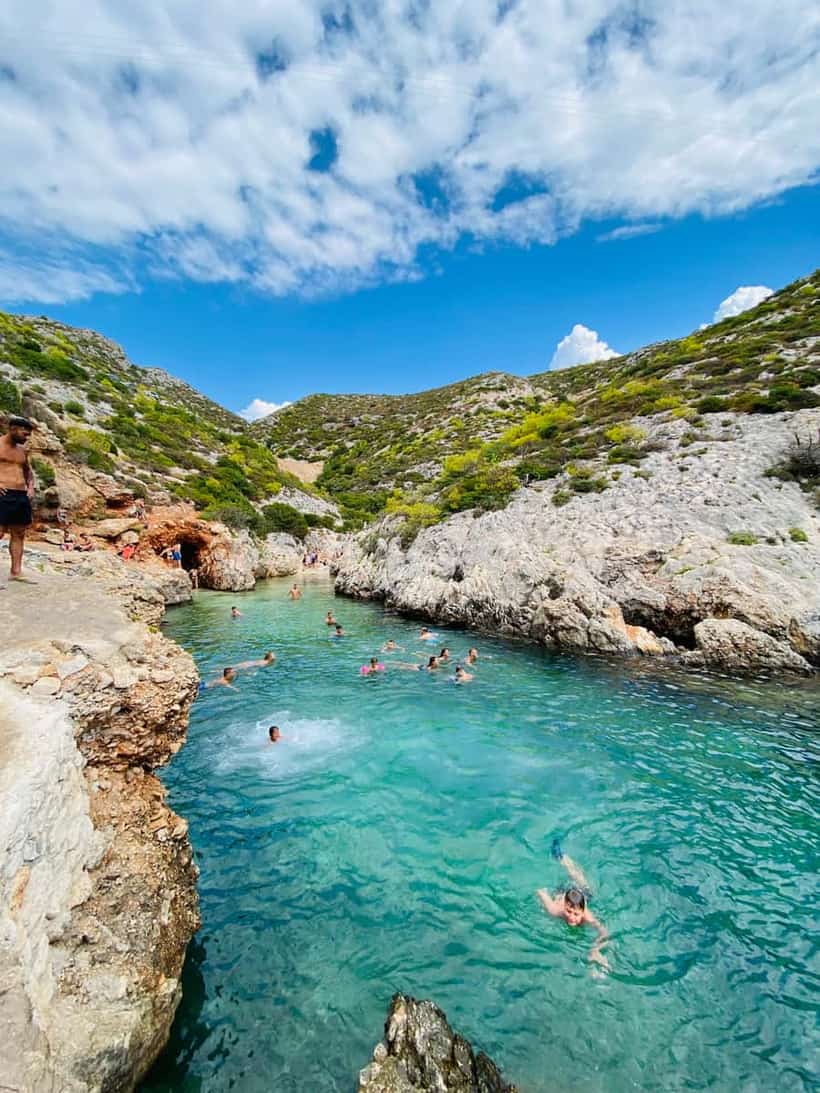 4.6out of 5 on Google
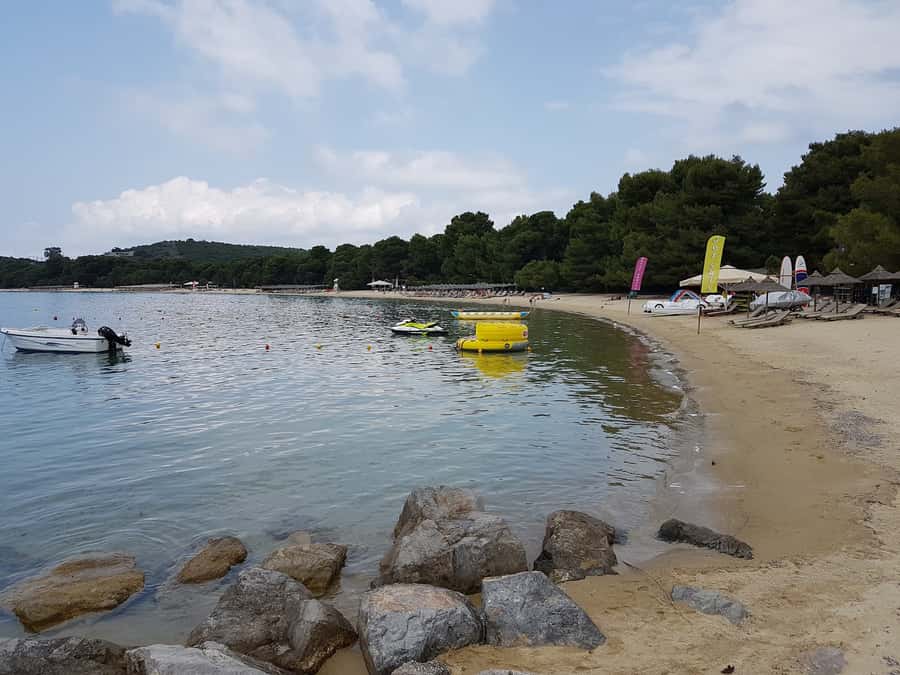 Blue Flag4.5out of 5 on Google
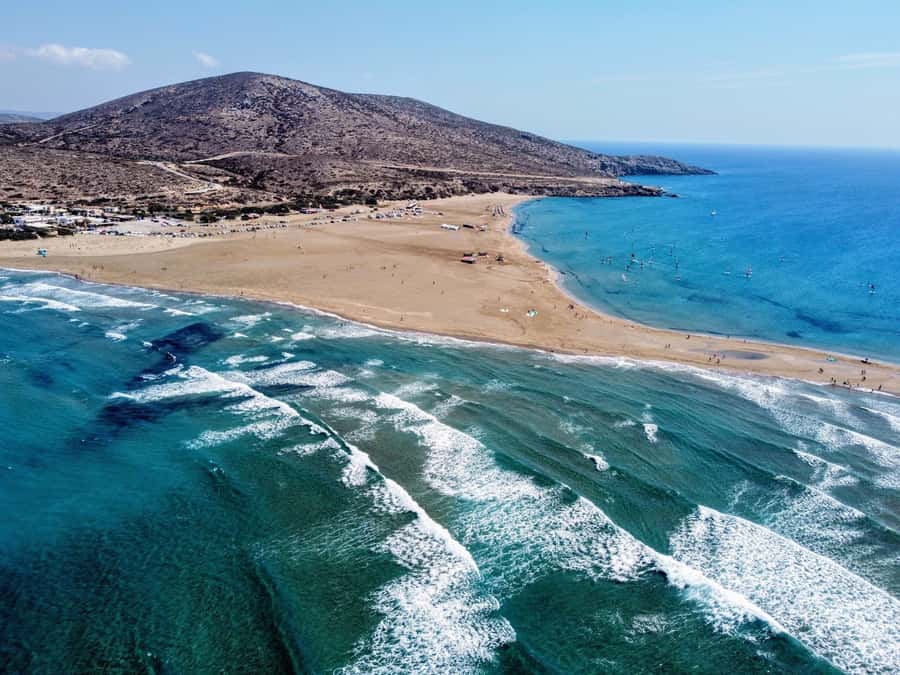 4.6out of 5 on Google
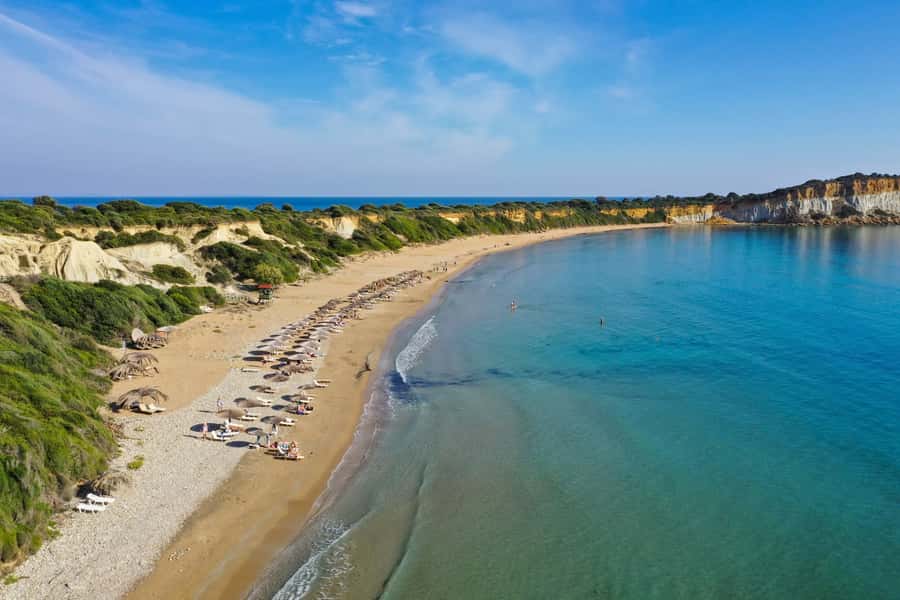 Blue Flag4.5out of 5 on Google
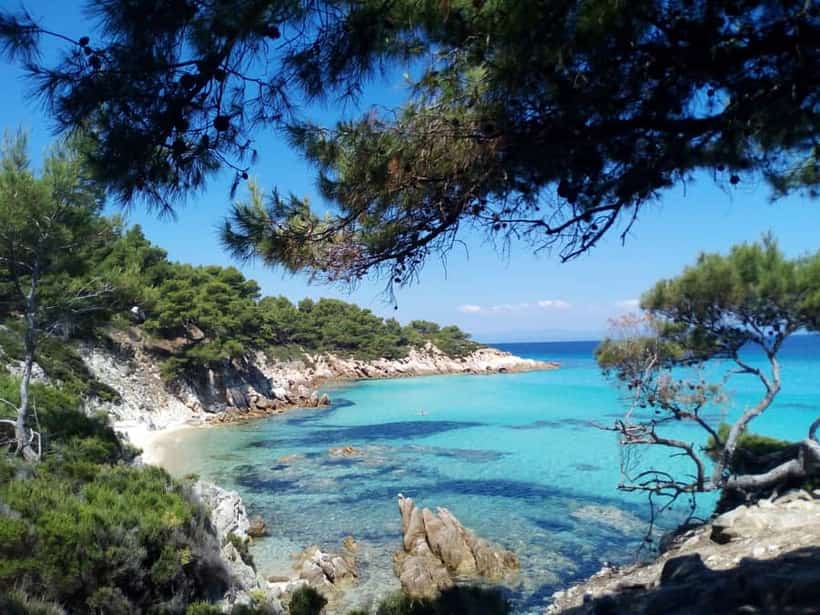 4.5out of 5 on Google
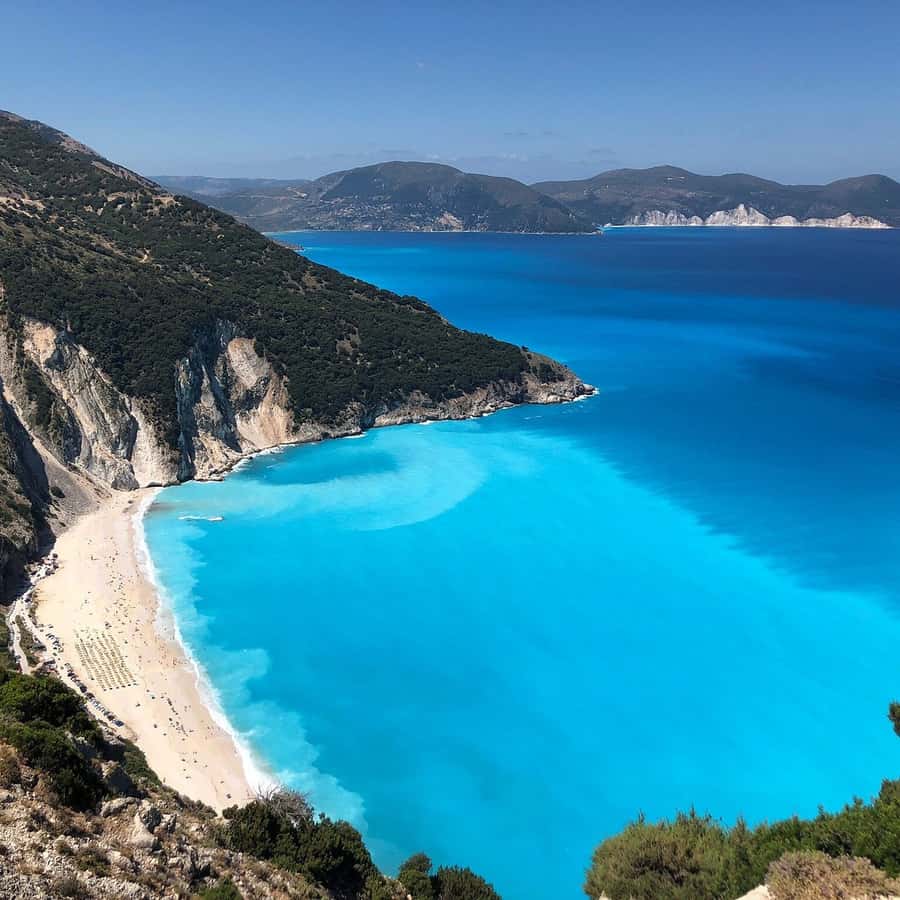 Blue Flag4.7out of 5 on Google
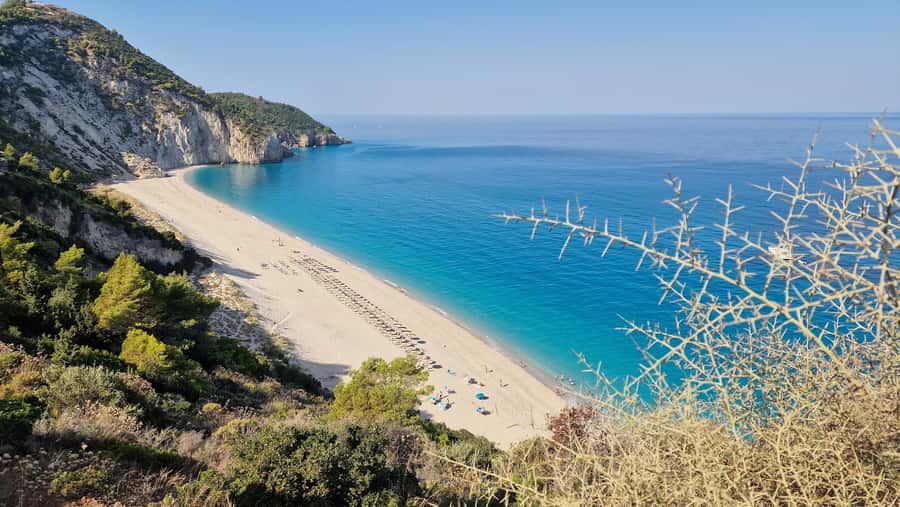 4.7out of 5 on Google
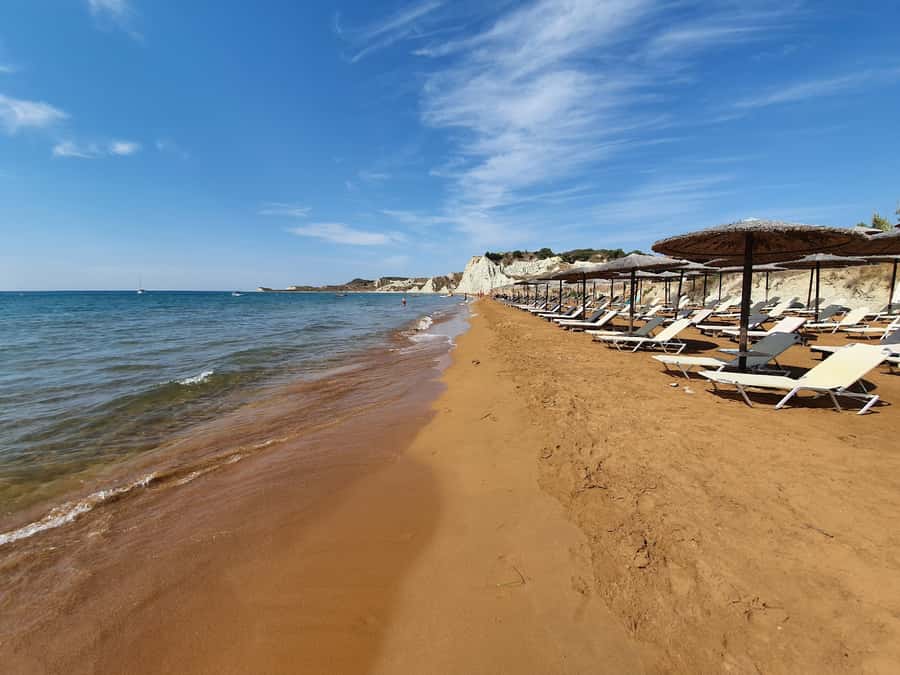 4.2out of 5 on Google
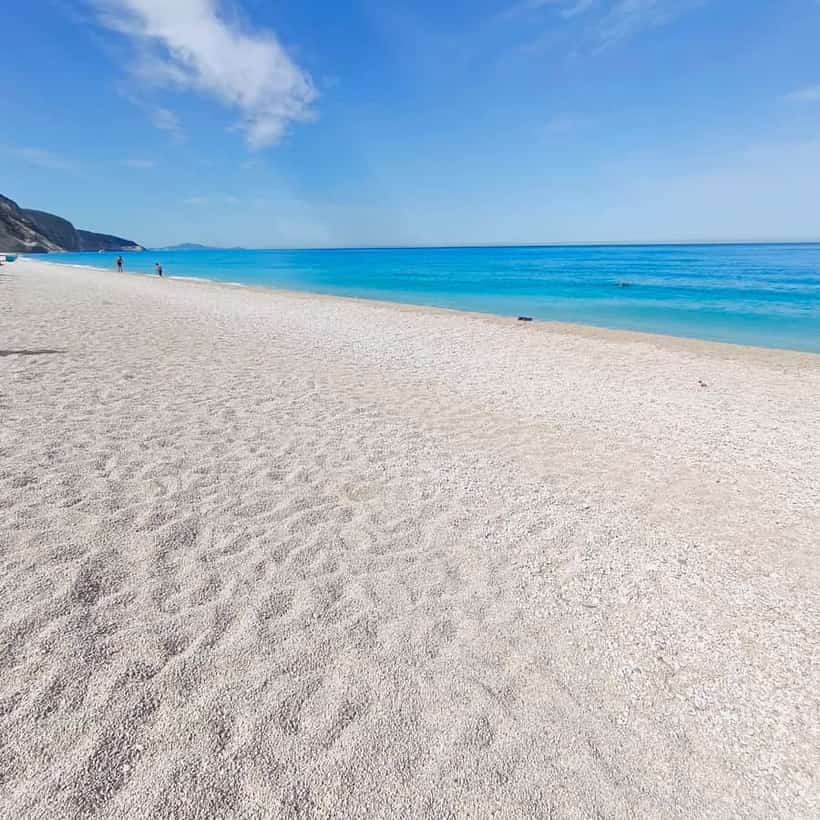 4.6out of 5 on Google
Five kinds of Greek beach
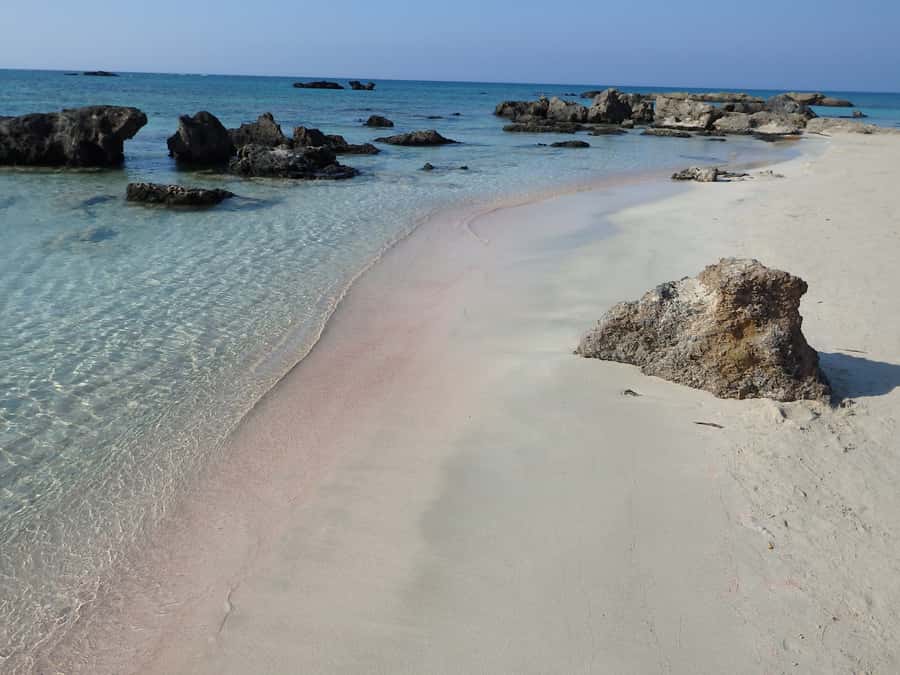
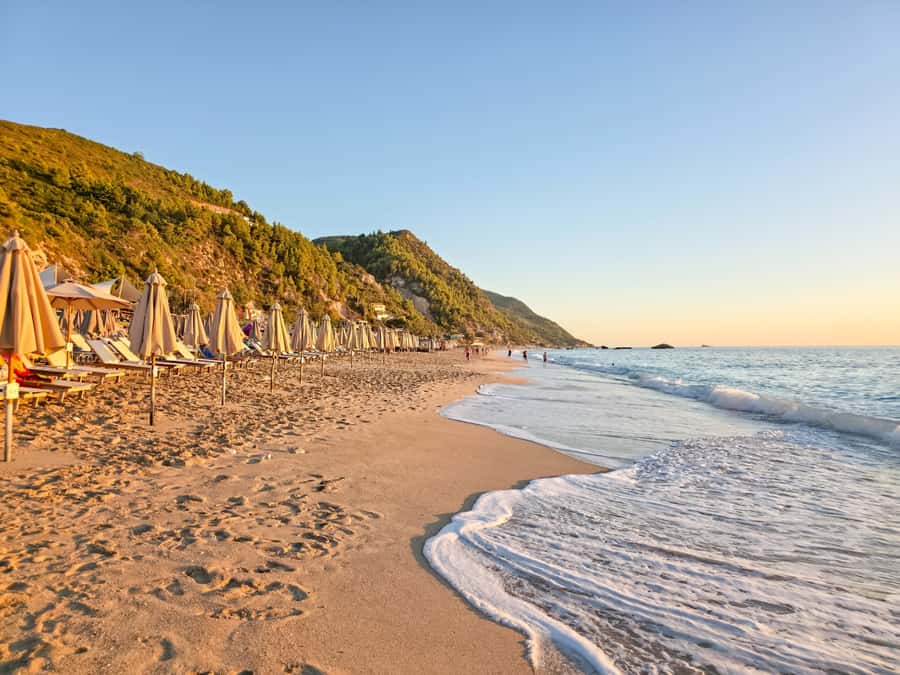
Organised beaches have rows of sunbeds and umbrellas, a beach bar and usually a lifeguard in season. Wild beaches have nothing — bring water and shade. Coves are small bays between rocks, often the clearest water on an island. Lagoons are shallow and warm — Balos and Elafonisi on Crete are the famous ones. Town beaches are the ones you can walk to from your room.
Choosing by island
The Ionian islands are known for white cliffs and turquoise water: Navagio on Zakynthos, Myrtos on Kefalonia, Porto Katsiki on Lefkada. The Cyclades have volcanic landscapes — the white rock of Sarakiniko on Milos, the red and black sand of Santorini — and the long sandy beaches of Naxos and Paros. The Sporades have pine forest down to the sand on Skiathos and Skopelos.
What the filters will not tell you
The wind decides the day. In July and August the meltemi blows from the north across the Aegean; a north-facing beach can be rough while one on the south coast is flat calm. Check the forecast and switch sides.
Access matters. Some beaches are a paved road away; others are a dirt track that rental contracts often exclude, a steep path, or reachable only by boat. Each beach page says which.
Sunbeds are not the beach. The shoreline in Greece is public; on organised beaches you can still lay a towel outside the rows of sunbeds. On pebble and rocky beaches, water shoes make life easier — sea urchins like the rocks.
Partner links · GetYourGuide
Tours, boat trips & tickets
Boat trips, guided tours of the ancient sites and tickets bookable ahead — free cancellation on most.
See all options: Greece boat trips and beach cruises →We may earn a commission from these. It never changes your price.
Before you go
Scooter, ATV & bike hireThe classic island runabout for coves and hilltop villages. Wear the helmet, check what the insurance excludes, and be honest about gravel roads — they are where most rental accidents happen.Find a scooter →Boat trips & cruisesDay cruises, sunset sails and snorkelling trips to beaches you cannot reach by road — the single most-booked experience on the islands.See boat trips →Car hire from local firmsIsland rental companies rather than the international desks — usually cheaper, often with full insurance and no card deposit. On Crete, Kefalonia or Naxos a car is what gets you to the beaches the buses do not reach.Compare local cars →
We may earn a commission from these. It never changes your price.
Frequently asked
Are beaches in Greece free?
Yes — the shoreline is public. On organised beaches you pay for the sunbed and umbrella (sometimes as a minimum spend at the beach bar), but you can lay your own towel outside the rows for free.
Which Greek islands have sandy beaches?
Naxos, Paros, Crete, Skiathos, Kos and Zakynthos all have long sandy beaches; many Ionian and Cycladic beaches are pebble or mixed. Use the Sandy filter on this page, or open an island's beaches page.
How do I avoid the wind on Greek beaches?
In July and August the meltemi blows from the north over the Aegean. Pick beaches on the south-facing side of the island on windy days, and check a wind forecast the evening before.
What is a Blue Flag beach?
An international award renewed every year for water quality, safety, services and environmental management. Greece has one of the largest numbers of Blue Flag beaches in the world; the Blue Flag filter shows the ones we list.