
When to go
Greece weather, month by month
Greece has one climate on a postcard and several on the ground. Athens and Thessaloniki bake in July; the Cyclades stay cooler but windy; Crete and Rhodes keep swimming weather into October; the Ionian is green and calmer in the summer wind. The figures below are the national weather service's long-term averages for six reference stations, so you can plan against what each island group actually does.
Right now
Wind, waves and forecasts →Santorini
26°
sea 25° · Moderate breeze
Mykonos
24°
sea 24° · Fresh breeze
Crete
26°
sea 26° · Light breeze
Rhodes
27°
sea 27° · Moderate breeze
Corfu
28°
sea 28° · Light air
Zakynthos
28°
sea 28° · Light air
When to go, by island group
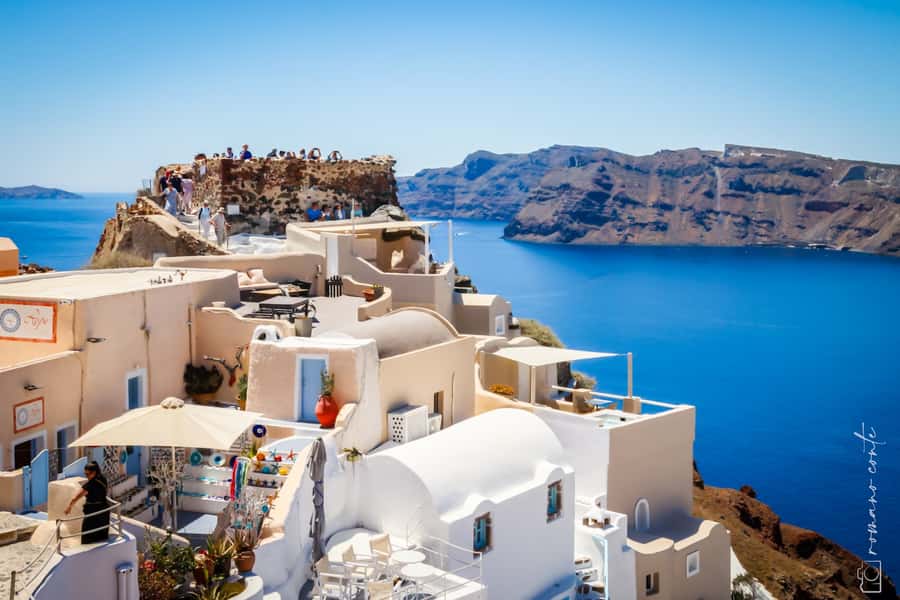 CycladesLate May–June, SeptemberThe mildest summer highs of the six regions (around 27°C in July) but the windiest; the meltemi peaks in July–August. September has a warm sea and less wind.
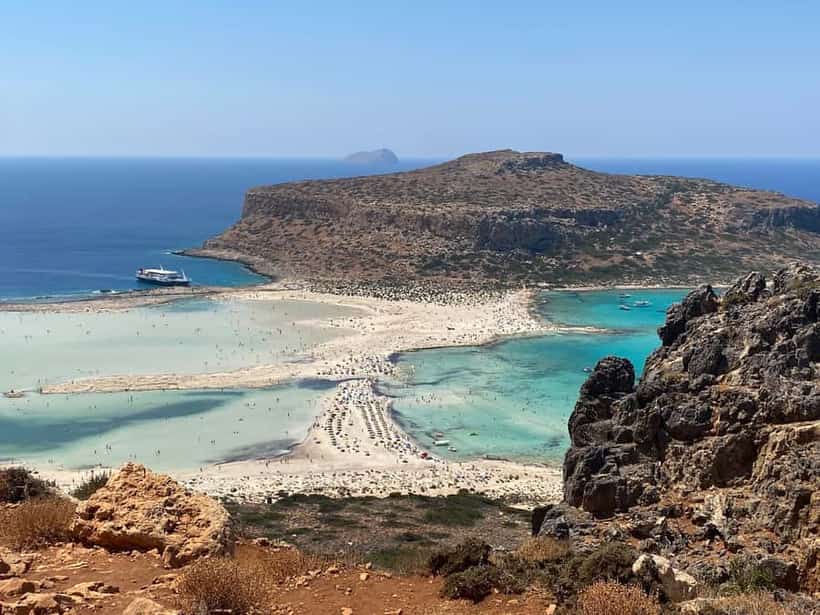 CreteMay–June, September–OctoberThe longest season: highs above 23°C from May to October and almost no summer rain. In winter Heraklion is still around 15°C by day.
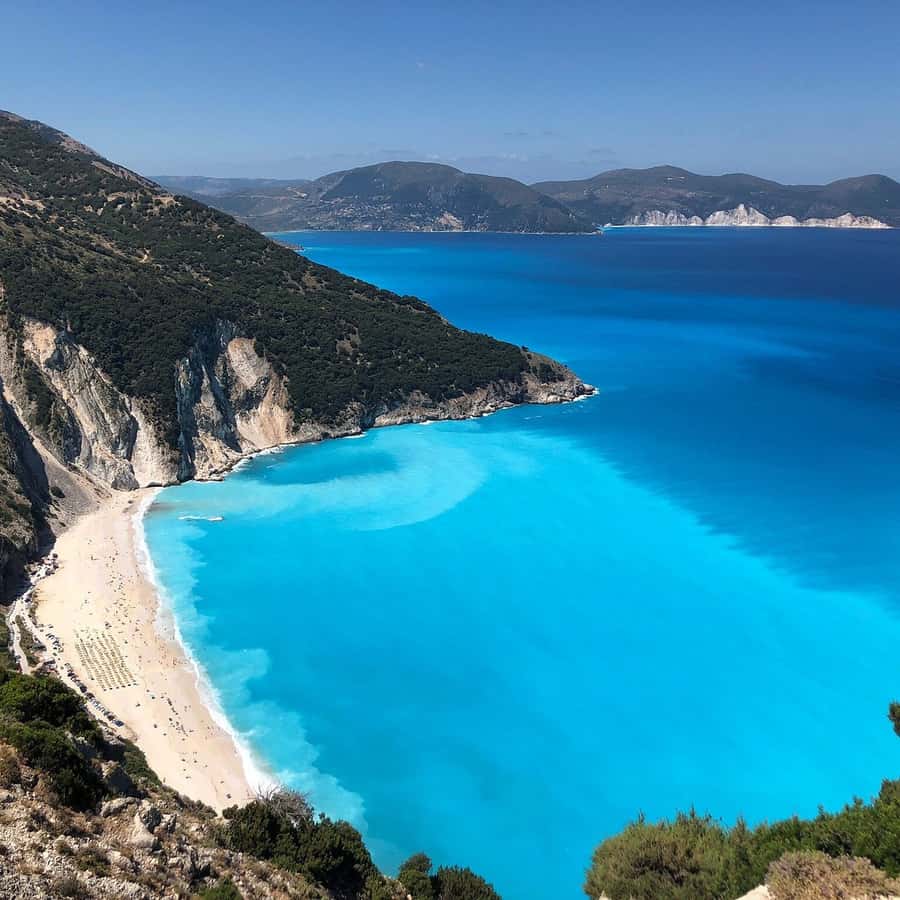 Ionian islandsJune, SeptemberHot, still summers (Corfu around 31°C in July–August) largely out of reach of the meltemi — a good choice in peak summer.
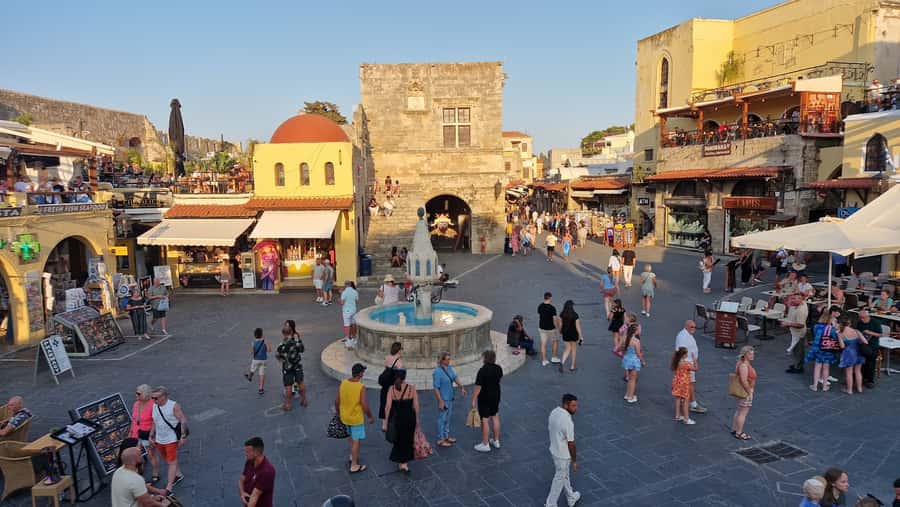 DodecaneseMay–June, September–OctoberThe warmest sea of the six regions (Rhodes near 28°C in August) and a long autumn: October highs are still around 24–25°C.
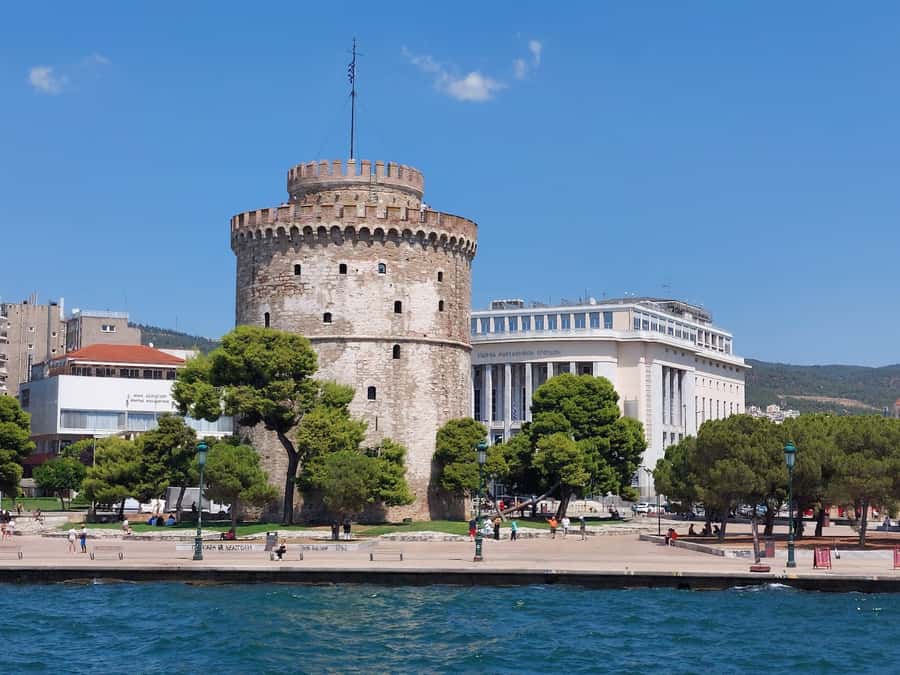 Northern GreeceJune–SeptemberHot summers and a warm sea in Halkidiki and on the Olympic Riviera, but real winters in Thessaloniki (lows near 1–2°C in January). A shorter beach season than the south.
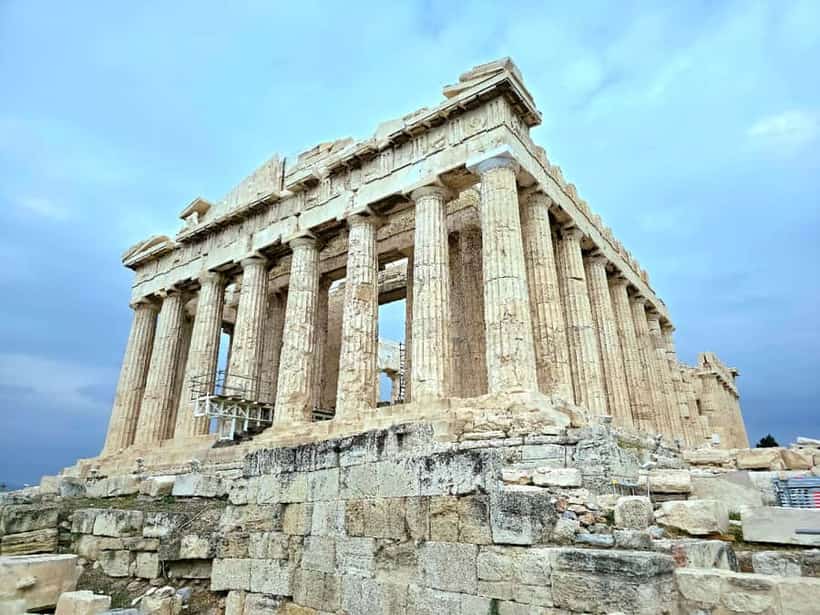 Athens & the RivieraApril–June, September–NovemberThe hottest summer city (around 32°C in July–August, with heatwaves above). Spring and autumn are the months for the Acropolis and the museums.
The year in figures
average daily high / low, °C
| Month | Athens & the Riviera | Cyclades | Crete | Ionian islands | Dodecanese | Northern Greece | Crowds |
|---|---|---|---|---|---|---|---|
| January | 14° / 7° | 14° / 10° | 15° / 9° | 14° / 5° | 15° / 9° | 9° / 2° | Quiet |
| February | 14° / 7° | 15° / 9° | 16° / 9° | 14° / 6° | 15° / 9° | 11° / 2° | Quiet |
| March | 16° / 9° | 16° / 10° | 17° / 10° | 16° / 7° | 17° / 11° | 14° / 5° | Quiet |
| April | 20° / 12° | 19° / 13° | 20° / 12° | 19° / 10° | 20° / 13° | 19° / 8° | Moderate |
| May | 24° / 16° | 22° / 16° | 24° / 15° | 24° / 13° | 24° / 16° | 25° / 13° | Moderate |
| June | 29° / 20°Sea ~23° | 26° / 20°Sea ~22° | 27° / 19°Sea ~23° | 28° / 17°Sea ~23° | 28° / 20°Sea ~24° | 29° / 17°Sea ~24° | Busy |
| July | 32° / 23°Sea ~26° | 27° / 22°Sea ~25° | 29° / 22°Sea ~25° | 31° / 19°Sea ~25° | 30° / 23°Sea ~27° | 32° / 19°Sea ~26° | Peak |
| August | 32° / 23°Sea ~26° | 27° / 22°Sea ~25° | 29° / 22°Sea ~26° | 32° / 19°Sea ~26° | 31° / 23°Sea ~28° | 31° / 19°Sea ~26° | Peak |
| September | 28° / 20°Sea ~25° | 25° / 20°Sea ~24° | 27° / 20°Sea ~25° | 28° / 17°Sea ~25° | 28° / 21°Sea ~27° | 27° / 15°Sea ~25° | Busy |
| October | 23° / 16°Sea ~22° | 22° / 17°Sea ~22° | 24° / 17°Sea ~23° | 23° / 14°Sea ~22° | 25° / 17°Sea ~24° | 21° / 11°Sea ~21° | Moderate |
| November | 19° / 12° | 19° / 14° | 20° / 14° | 19° / 10° | 20° / 14° | 16° / 7° | Quiet |
| December | 15° / 9° | 16° / 11° | 17° / 11° | 15° / 7° | 17° / 11° | 11° / 3° | Quiet |
Air: HNMS climate normals 1955–2010, mean daily maximum and minimum. The Cyclades use Naxos as their reference station. Sea (June–October only): approximate monthly averages from seatemperature.org monthly averages (approximate). Source: Hellenic National Meteorological Service (HNMS) climate normals
Every month in detail
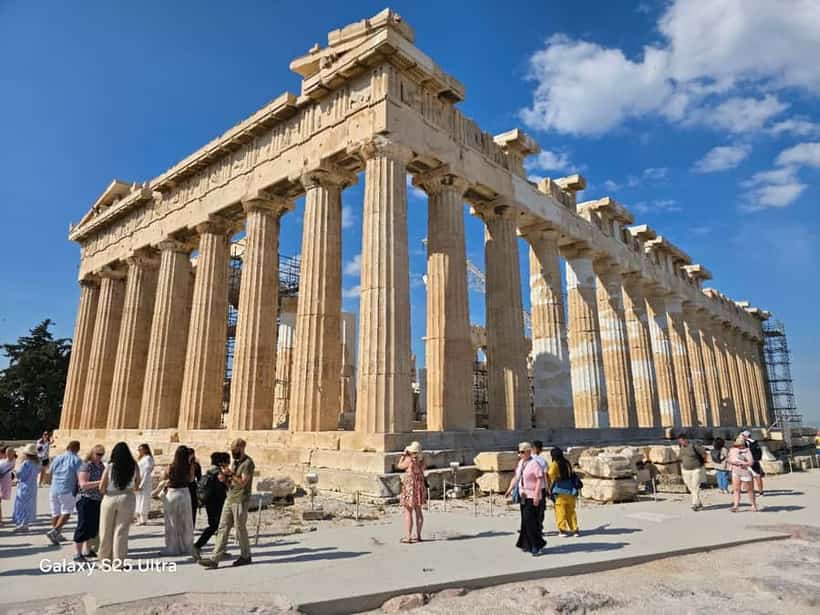 JanuaryA city month, not an island one: Athens, Thessaloniki and Meteora are at their emptiest, and most islands are asleep.Quiet
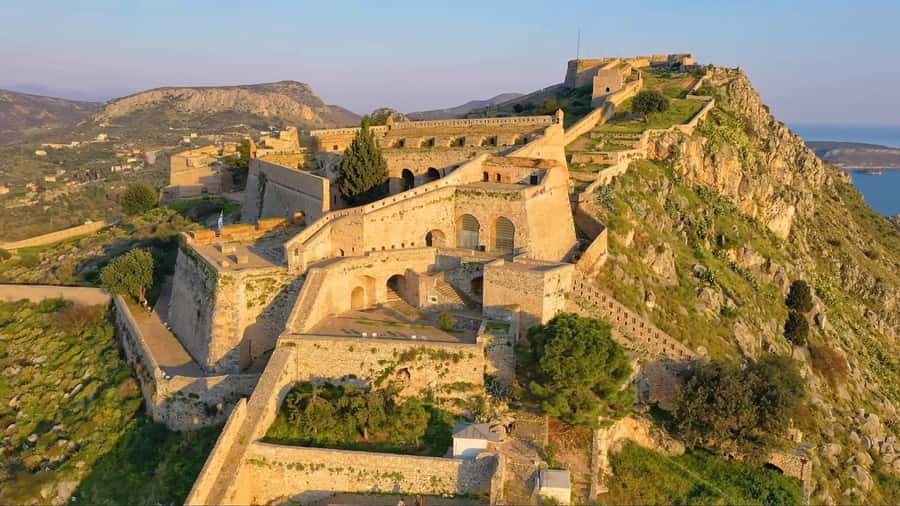 FebruaryStill winter, still cheap, still quiet — good for the mainland's great sites, carnival in Patras, and not much else.Quiet
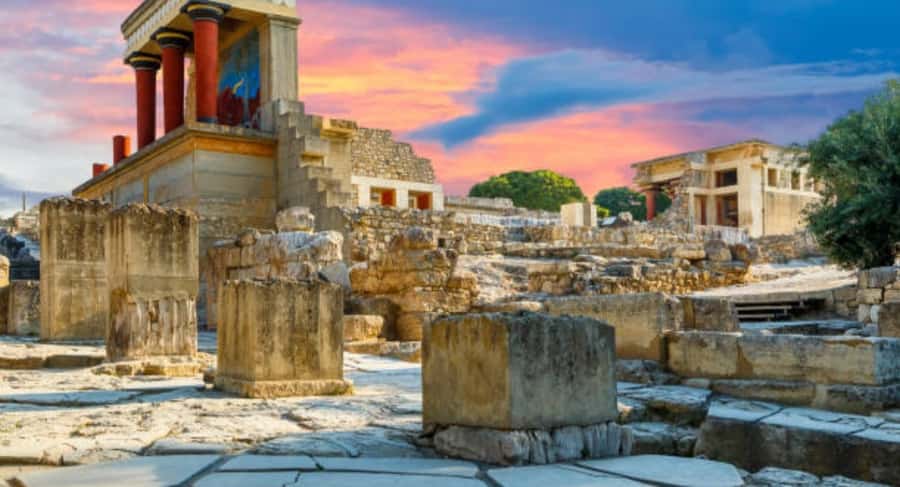 MarchThe first green month: wildflowers, Clean Monday kites, Independence Day parades — and a free day at the Acropolis.Quiet
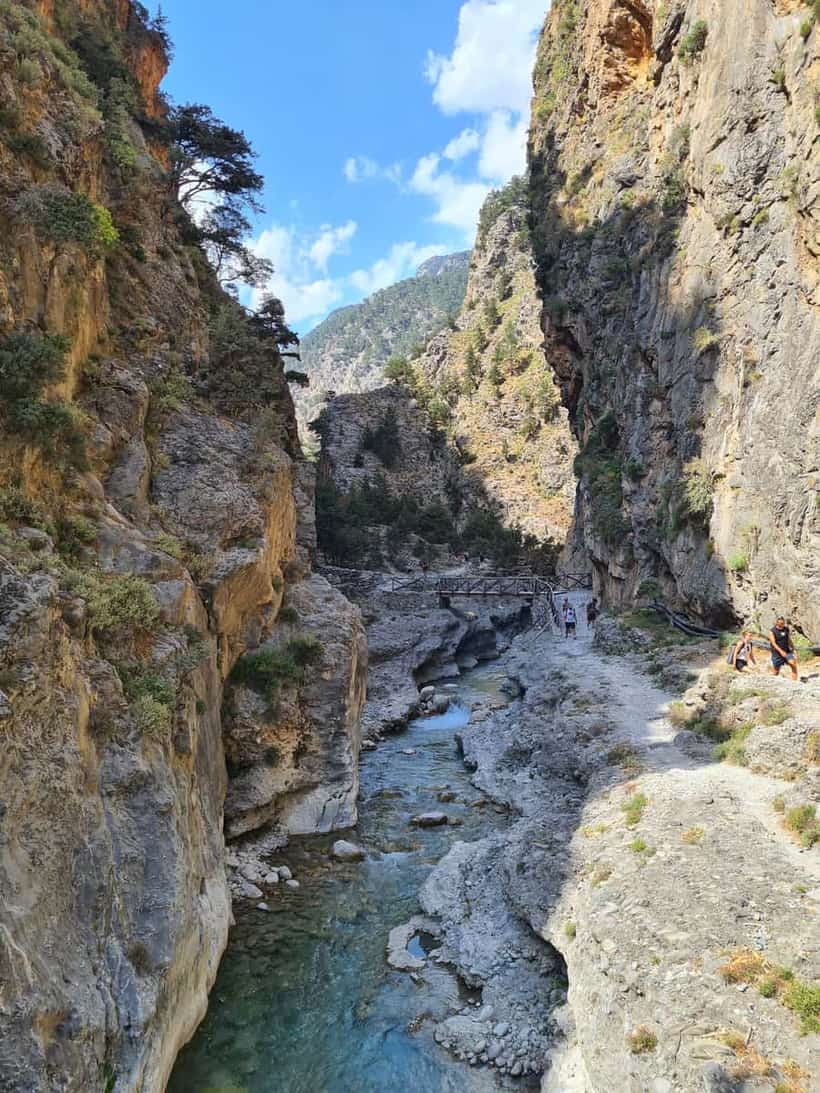 AprilSpring proper, and the start of the season in the south. Go for the flowers and the sites; the sea is still too cold for most.Moderate
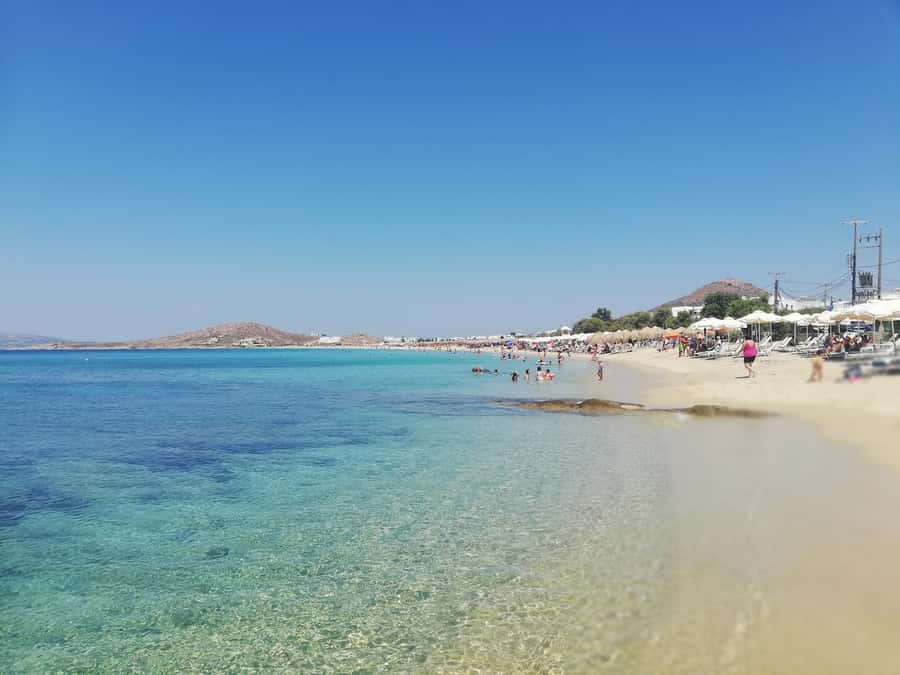 MayOne of the two best months: the season open, the heat not yet arrived, the sea just about swimmable in the south by the end.Moderate
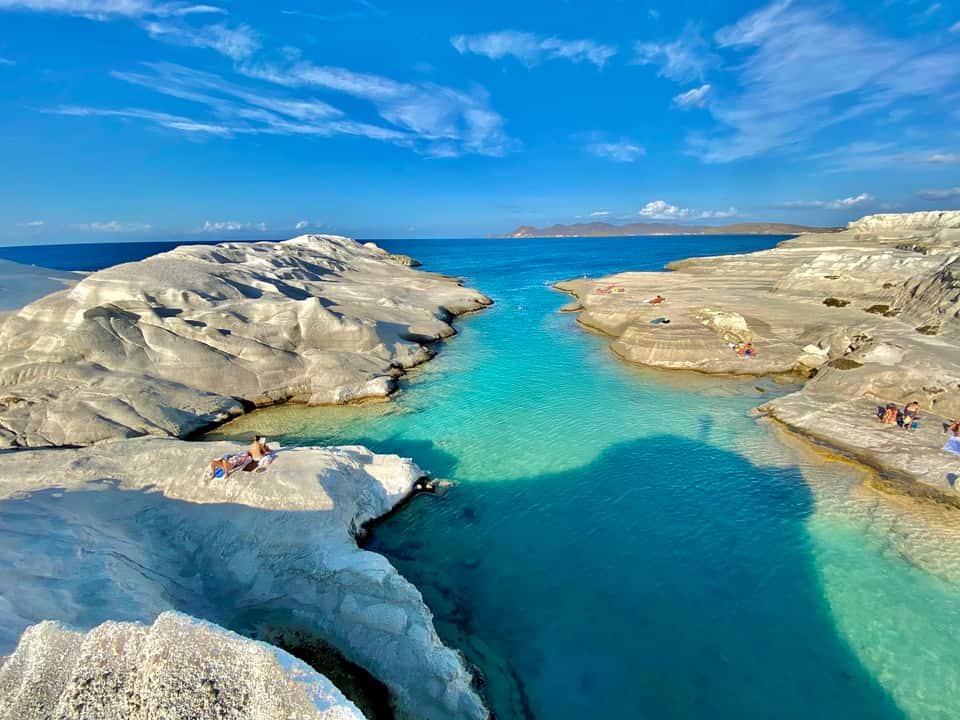 JuneThe best beach month for most people: warm sea, long days, the season in full swing but not yet at its August pitch.Busy
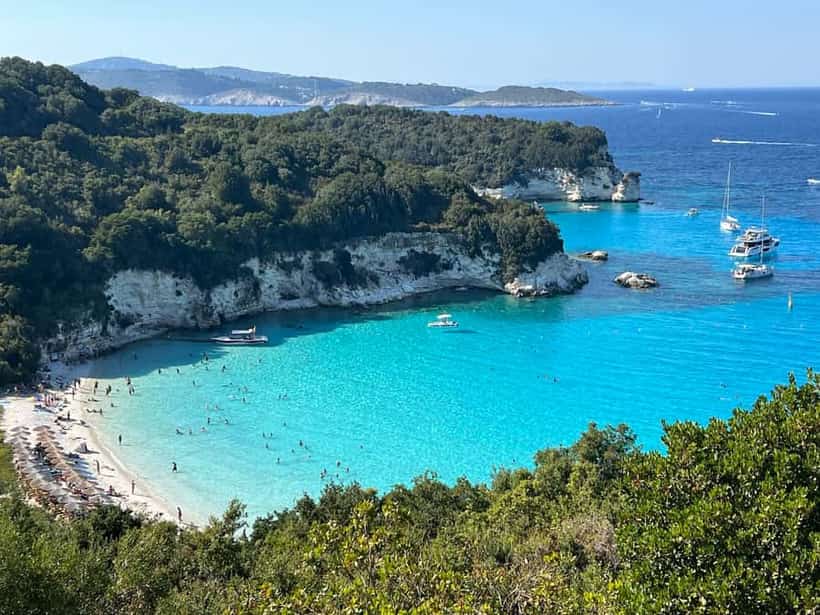 JulyHot, windy in the Aegean, busy everywhere. Go west to the Ionian or north to Halkidiki, and do the Acropolis at 08:00.PeakAugustThe warmest sea and the fullest islands. 15 August is the busiest day of the Greek travel year — book every ferry.Peak
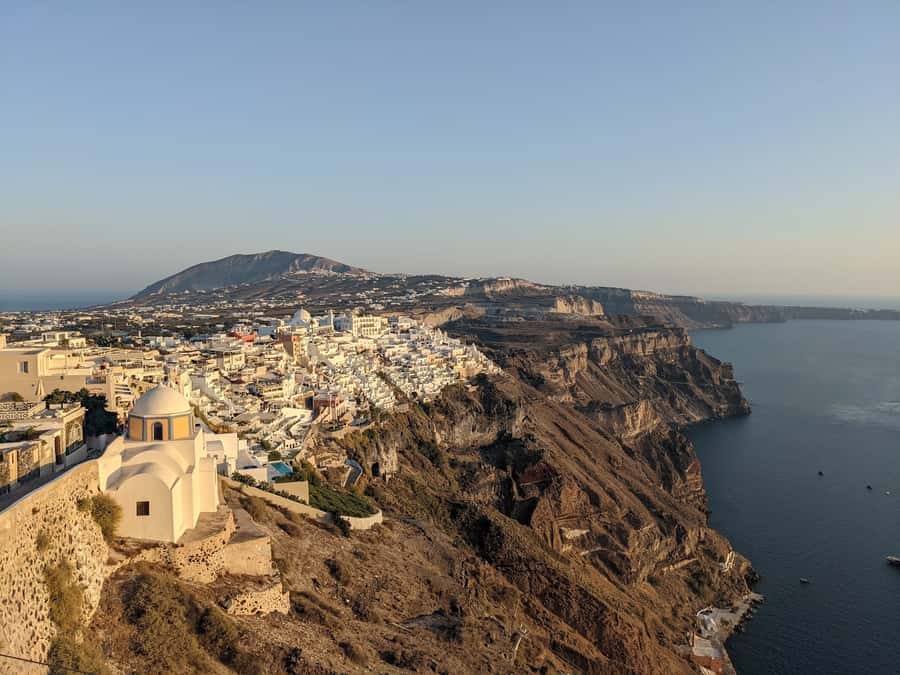 SeptemberThe best month of the year for most trips: sea still at its warmest, heat easing, crowds thinning after the first week.BusyOctoberGo south: Crete, Rhodes and Kos still have summer-warm seas. The small islands begin to close by the end of the month.ModerateNovemberOff-season, and a good city month: the Athens Marathon and the Thessaloniki film festival. Island hotels are largely closed.Quiet
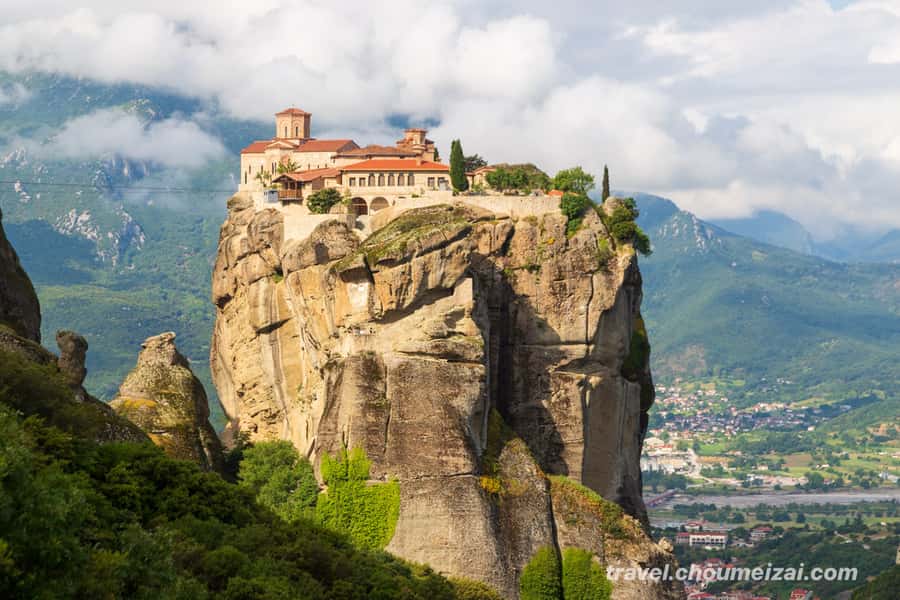 DecemberChristmas in Athens and Thessaloniki, snow on the mountains, and islands for people who want them empty.Quiet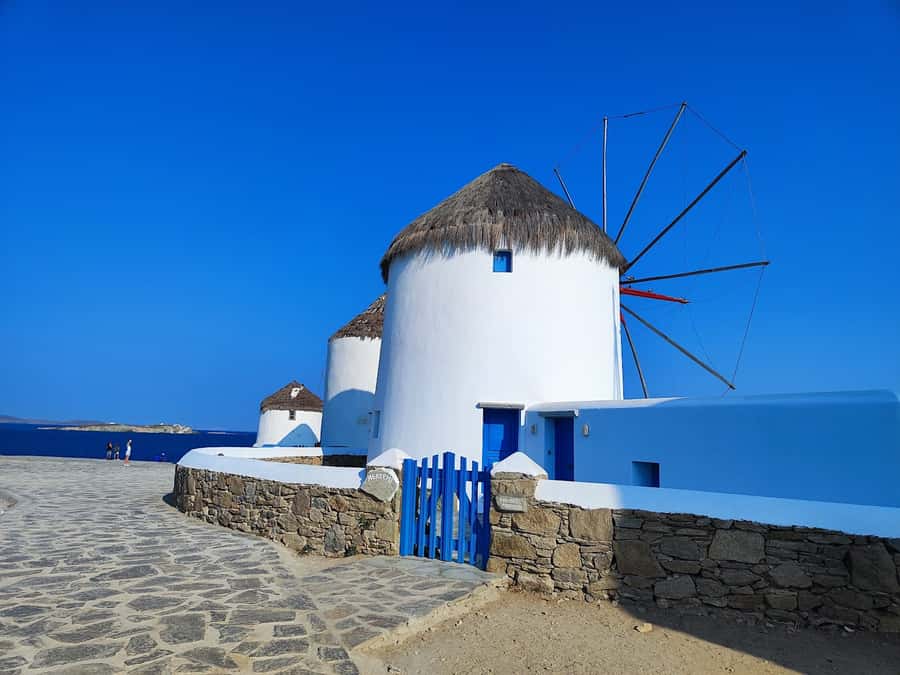
The meltemi
A strong, dry north wind that blows across the Aegean from roughly mid-May to mid-September, peaking in July and August, usually strongest in the afternoon and hardest on the Cyclades. It makes the heat bearable and the sea rough: north-facing beaches churn, small boats stay in port, and when winds reach about Beaufort 8 the authorities ban sailings — high-speed craft are stopped earlier. Leave a buffer day before a flight home, pick south-facing beaches on windy days, and remember that the Ionian islands are largely out of its reach.
Heatwaves and wildfire season
July and August bring heatwaves well above the averages in the table, especially in Athens and inland. On extreme days the Acropolis closes from 12:00 to 17:00. Wildfire season runs from 1 May to 31 October: no open fires or barbecues in the countryside, a daily Fire Risk Map, and evacuation orders by 112 alert on your phone.
Safety: heat, fire and sea →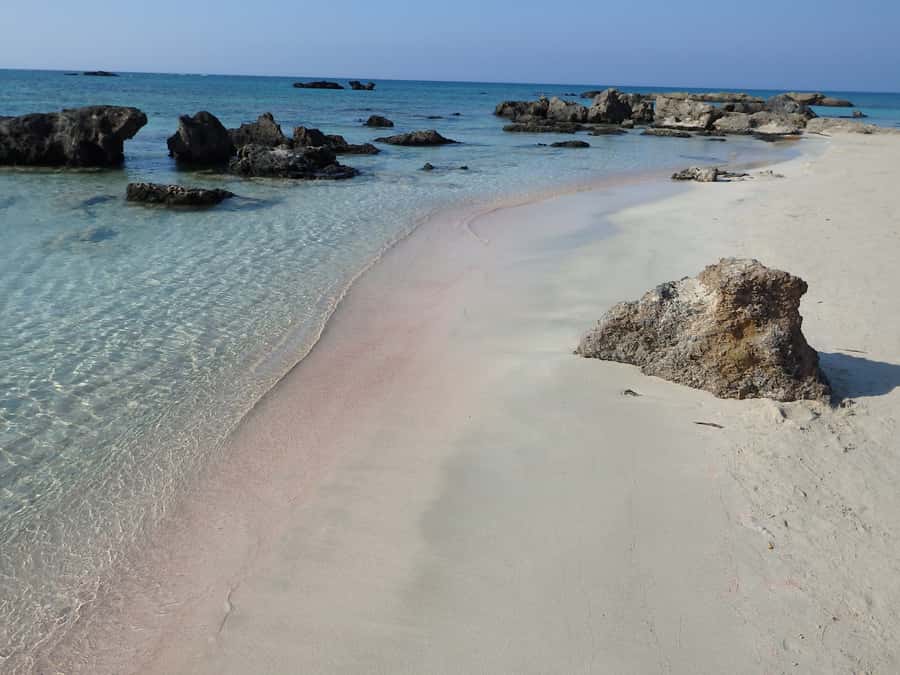
The swimming season
For most people the sea is comfortable from June to October, when it averages roughly 22–28°C depending on the month and the region — warmest off Rhodes in August. In May it is around 18–20°C, and in November the south still holds about 19–21°C. Rhodes stays warmest into October; Thessaloniki and Halkidiki are warm in high summer but cool fastest in autumn.
Questions about the weather
What is the best month to visit Greece?
For most trips, September: the sea is still at its warmest, the heat eases and crowds thin after the first week. June is nearly as good. May is ideal for walking and sites, with the sea still cool.
How hot is Greece in July and August?
Athens averages a high of 32.2°C in July (HNMS normals 1955–2010), with heatwaves often above it. The Cyclades are milder, around 27.1°C on Naxos, but windy.
When is the sea warm in Greece?
From June to October, averaging roughly 22–28°C by region. The Dodecanese is warmest — around 28°C off Rhodes in August. In May it is around 18–20°C.
What is the meltemi and when does it blow?
The strong north wind of the Aegean, from roughly mid-May to mid-September, peaking in July–August and strongest in the Cyclades. It can cancel ferries; the Ionian islands are largely spared.
Is Greece worth visiting in winter?
For cities and sites, yes: Athens is around 14°C by day in January and the Acropolis is empty. For islands, less so: most seasonal businesses close from November to April and ferries run winter timetables.
Before you go
We may earn a commission from these. It never changes your price.